Acetone → Nickel dioctanoate
Reaction equation

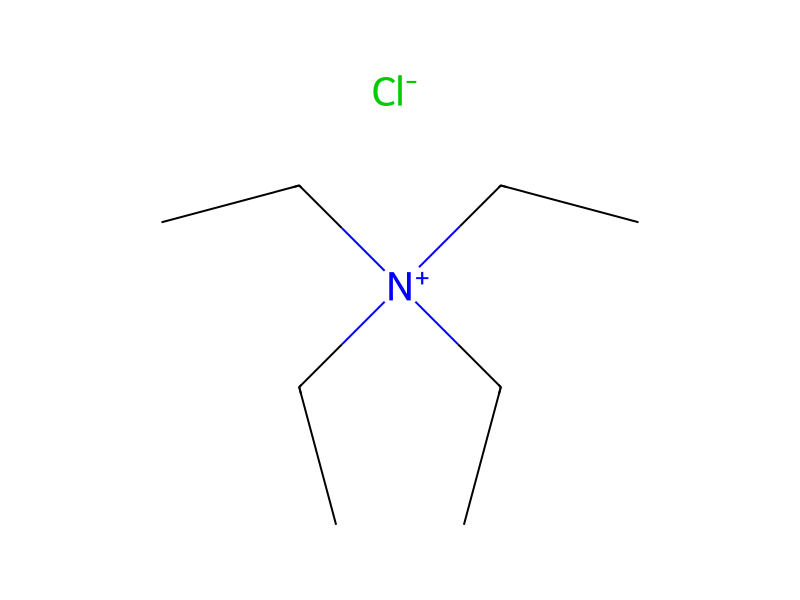
C([CH:3]([CH2:7][CH2:8][CH2:9][CH3:10])[C:4]([OH:6])=[O:5])C.O.[Ni:12].[CH3:13][C:14](C)=O>[Cl-].C([N+](CC)(CC)CC)C>[CH3:13][CH2:14][CH2:10][CH2:9][CH2:8][CH2:7][CH2:3][C:4]([O-:6])=[O:5].[CH3:13][CH2:14][CH2:10][CH2:9][CH2:8][CH2:7][CH2:3][C:4]([O-:6])=[O:5].[Ni+2:12]Participants
6
Reactant 4




Product 1

Reagents, catalysts & solvents 1
Procedure
To a reaction flask equipped with a mechanical stirrer and thermometer was charged 10.0 g (0,069 mole) of 2-ethylhexanoic acid, 10.0 g mineral spirits, 80.0 g water and 0.45 g of tetraethylammonium chloride. The electrical connections were then made and 11,416 coulombs of direct current were passed. 3.30 g (0,056 mole) of nickel was consumed. After removal of the aqueous layer, a greenish semi-solid was obtained. This material was tertiurated with acetone and gave a green solid containing 7.30% nickel. The filtrate was dried and the acetone was stripped off on a rotary evaporator under reduced pressure. This resulted in a green solution of nickel octoate in mineral spirits containing 10.9% nickel.
Workup
- customTo a reaction flask equipped with a mechanical stirrer
- customAfter removal of the aqueous layer
- customa greenish semi-solid was obtained
- customgave a green solid
- customThe filtrate was dried
- customthe acetone was stripped off on a rotary evaporator under reduced pressure
Sources & evidence
- ORD record
- ord-8f05c9dd12034135bb58fd088e4b17ab
- Source dataset
- uspto-grants-1995_08
- Patent number
- US05443698
Reaction notes
Loading…