2-Oxo-4-phenylbutyric acid → N-(1-carboxy-3-phenylpropyl)-L-alanyl-L-proline amide
Reaction equation

[NH2:1][C@H:2]([C:4]([N:6]1[CH2:13][CH2:12][CH2:11][C@H:7]1[C:8]([NH2:10])=[O:9])=[O:5])[CH3:3].O=[C:15]([CH2:19][CH2:20][C:21]1[CH:26]=[CH:25][CH:24]=[CH:23][CH:22]=1)[C:16]([OH:18])=[O:17].C([BH3-])#N.[Na+]>C(O)C.O>[C:16]([CH:15]([NH:1][C@H:2]([C:4]([N:6]1[CH2:13][CH2:12][CH2:11][C@H:7]1[C:8]([NH2:10])=[O:9])=[O:5])[CH3:3])[CH2:19][CH2:20][C:21]1[CH:26]=[CH:25][CH:24]=[CH:23][CH:22]=1)([OH:18])=[O:17]Participants
5




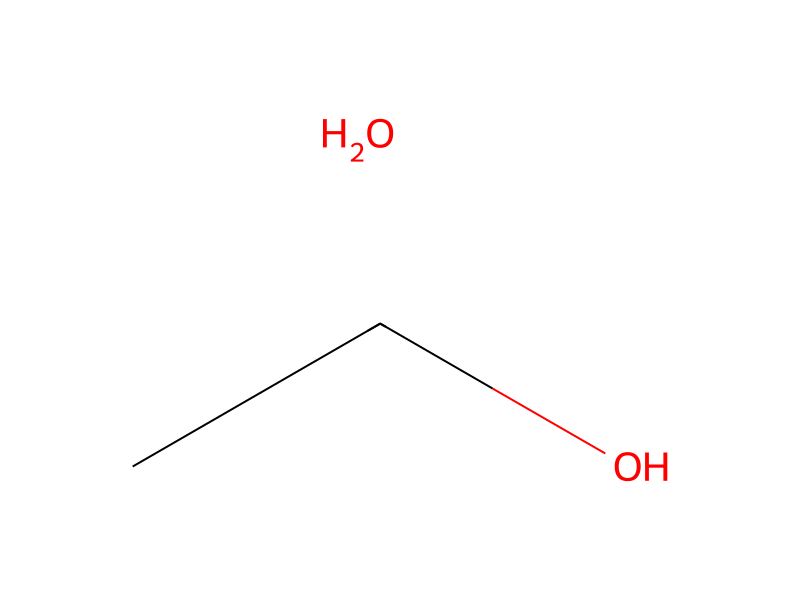
Procedure
Couple L-alanyl-L-proline amide, prepared as in Example 51, with 2-oxo-4-phenylbutyric acid employing sodium cyanoborohydride in 50% ethanol-water by the method described in example 2. After eluting from the ion-exchange resin, concentrate in vacuo to a small volume, flush with water, and freeze-dry to obtain N-(1-carboxy-3-phenylpropyl)-L-alanyl-L-proline amide as a mixture of diastereoisomers.
Workup
- washAfter eluting from the ion-exchange resin
- concentrationconcentrate in vacuo to a small volume
- customflush with water
- customfreeze-dry
Sources & evidence
- ORD record
- ord-084b07114f954c47ac077e5ce64d4d5b
- Source dataset
- uspto-grants-1983_02
- Patent number
- US04374829
Reaction notes
Loading…