Hydrochloric Acid → 3,3-Dimethyl-2-oxobutanenitrile
Reaction equation

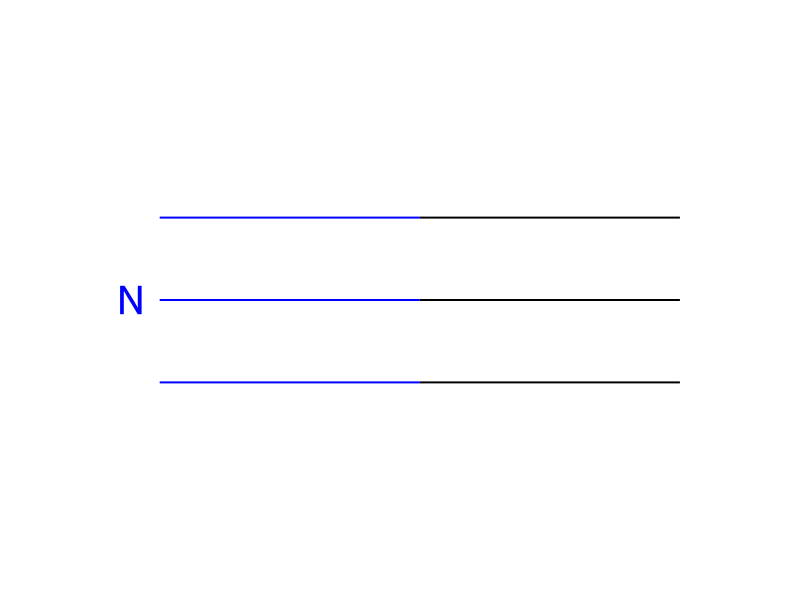
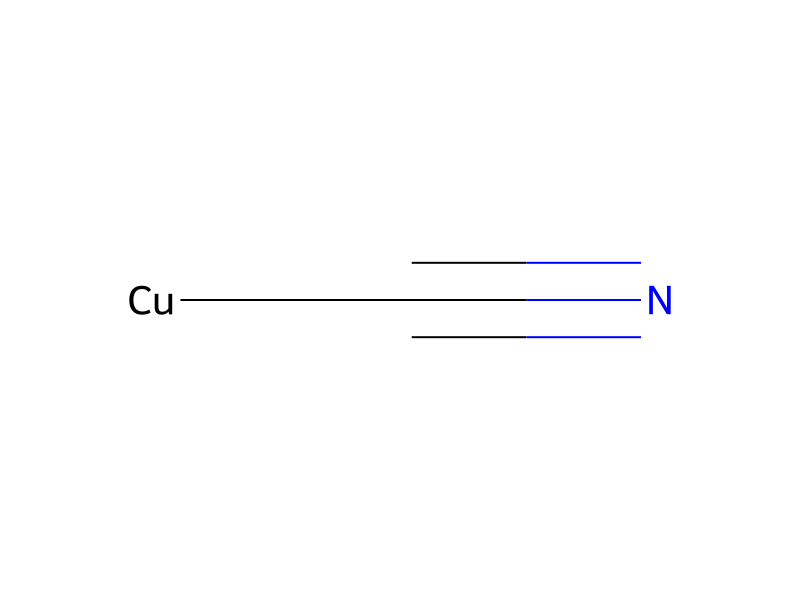
[C:1]([Cl:7])(=[O:6])[C:2]([CH3:5])([CH3:4])[CH3:3].[Cu][C:9]#[N:10].C#N.Cl>[Cu]>[C:1]([Cl:7])(=[O:6])[C:2]([CH3:5])([CH3:4])[CH3:3].[C:1]([C:9]#[N:10])(=[O:6])[C:2]([CH3:5])([CH3:4])[CH3:3]Participants




Procedure
A mixture of 120.6 grams (1.0 mole) of pivaloyl chloride, 9.0 grams (0.1 mole) of copper (I) cyanide, 6.4 grams (0.1 gram atom) of pulverized copper and 150 ml of 2-methylglutaric acid dinitrile were treated in the course of 6 hours with 29.7 grams (1.1 moles) of hydrogen cyanide. The mixture in the meanwhile was held under nitrogen at a temperature of 90° to 110° C. Hereby there escaped hydrogen chloride and hydrogen cyanide; the hydrogen cyanide was condensed and returned. From the reaction mixture by fractional distillation under reduced pressure there were obtained 10 grams of pivaloyl chloride and 96 grams of 98% pivaloyl cyanide. The yield of pivaloyl cyanide amounted to 85% based on the pivaloyl cyanide employed. For further batches in each case there was used the residue remaining in the distillation of the previous reaction mixture. To these there were added first 120.6 grams (1.0 mole) of pivaloyl chloride and then in the course of 6 hours 29.7 grams (1.1 moles) of hydrogen cyanide. For the rest the process was as previously described. The yields of pivaloyl cyanide amounted to 86 to 88% based on the pivaloyl chloride employed.
Workup
- customwas held under nitrogen at a temperature of 90° to 110° C
- customcondensed
- distillationFrom the reaction mixture by fractional distillation under reduced pressure
Sources & evidence
- ORD record
- ord-7f316a654dfd496ba43134e9c86046c5
- Source dataset
- uspto-grants-1982_07
- Patent number
- US04339591
Reaction notes
Loading…