Epichlorohydrin → HCID 13038067, compound
Reaction equation

[CH3:1][S:2][C:3]1[CH:8]=[CH:7][C:6]([N:9]=[C:10]=[O:11])=[CH:5][CH:4]=1.[CH2:12]([CH:14]1O[CH2:15]1)[Cl:13].C(P(=[O:30])(CCCC)CCCC)CCC.[Br-].[Li+]>C1(C)C(C)=CC=CC=1>[Cl:13][CH2:12][CH:14]1[O:11][C:10](=[O:30])[N:9]([C:6]2[CH:7]=[CH:8][C:3]([S:2][CH3:1])=[CH:4][CH:5]=2)[CH2:15]1Participants
Reactant 4



Product 1

Reagents, catalysts & solvents 1

Procedure
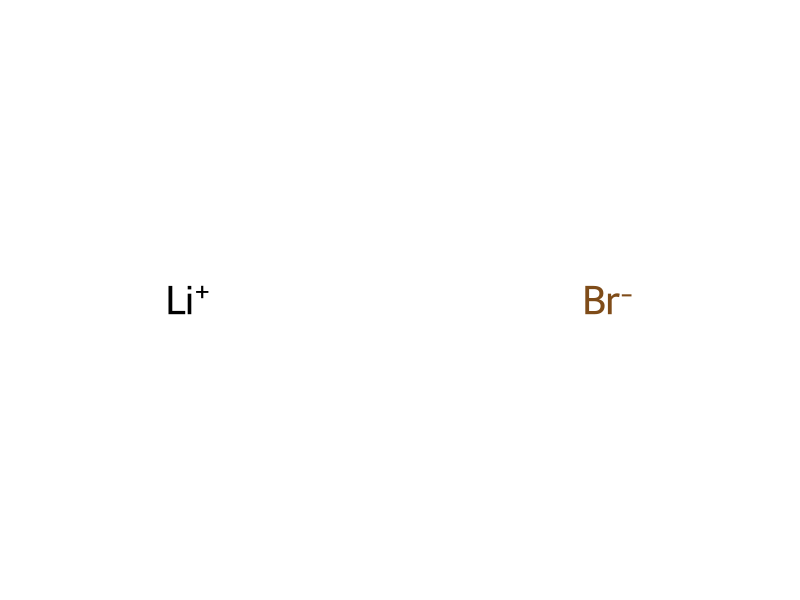
To a hot (130° C.) solution of 105 g (0.64 mole) of 4-methylthiophenyl isocyanate and 93 g (1 mole) of epichlorohydrin in 600 ml of xylene was added 200 ml of tri-n-butylphosphine oxide-lithium bromide complex. (The complex was prepared by heating a mixture of 45 g of tri-n-butylphosphine oxide, 12.7 g of lithium bromide and 550 ml of xylene to reflux until a clear solution was obtained by removing water.) An exothermic reaction took place. After all of the catalyst had been added, the mixture was heated under reflux for 1 hour and cooled. The solution was decanted into a flask and concentrated to one-half the volume. An equal volume of petroleum ether was added to the residue. The solid that formed was collected by filtration and recrystallized from acetonitrile to give 102 g (62% yield) of the title compound; m.p. 106.5°-107.5° C.
Workup
- custom(The complex was prepared
- temperatureby heating
- temperatureto reflux until a clear solution
- customwas obtained
- customby removing water
- custom) An exothermic reaction
- additionAfter all of the catalyst had been added
- temperaturethe mixture was heated
- temperatureunder reflux for 1 hour
- temperaturecooled
- customThe solution was decanted into a flask
- concentrationconcentrated to one-half the volume
- additionAn equal volume of petroleum ether was added to the residue
- customThe solid that formed
- filtrationwas collected by filtration
- customrecrystallized from acetonitrile
Sources & evidence
- ORD record
- ord-0a2e95744a134c80a6d732b068fb9399
- Source dataset
- uspto-grants-1982_07
- Patent number
- US04340606
Reaction notes
Loading…