Potassium Carbonate → HCID 13023013, compound
Reaction equation

[Cl:1][C:2]1[N:3]=[N:4][C:5]([C:8]2[CH:13]=[CH:12][CH:11]=[CH:10][C:9]=2[OH:14])=[CH:6][CH:7]=1.[CH2:15]([CH:17]1[O:19][CH2:18]1)Br.C(=O)([O-])[O-].[K+].[K+]>CC(=O)CC>[Cl:1][C:2]1[N:3]=[N:4][C:5]([C:8]2[CH:13]=[CH:12][CH:11]=[CH:10][C:9]=2[O:14][CH2:15][CH:17]2[O:19][CH2:18]2)=[CH:6][CH:7]=1Participants
5
Reactant 3

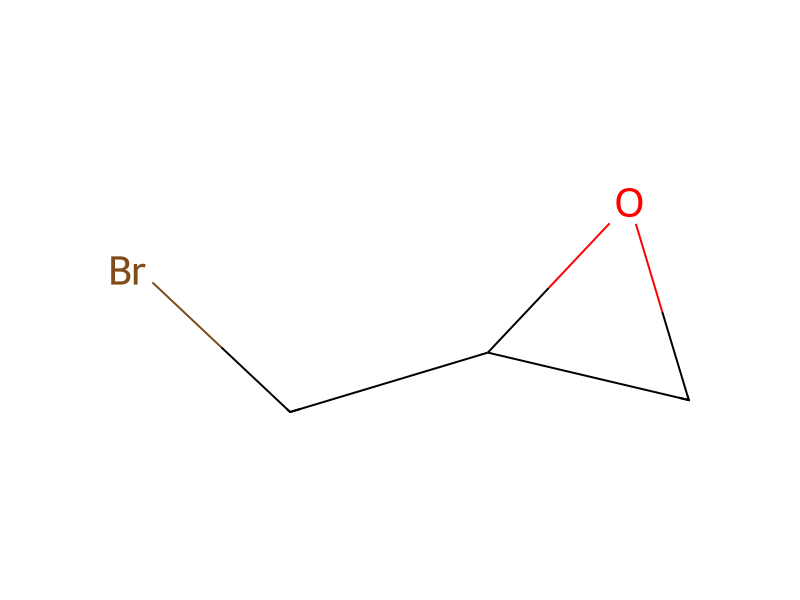

Product 1

Reagents, catalysts & solvents 1

Procedure
A mixture of 3-chloro-6-(2-hydroxyphenyl)pyridazine (2.69 g.), epibromohydrin (4.5 ml.), anhydrous potassium carbonate (3.6 g.) and dry butane-2-one (100 ml.) was stirred and heated under reflux for 16 hours. The mixture was filtered and the filtrate was evaporated to dryness and the residue was twice recrystallized from ethanol to give 3-chloro-6-(2-epoxypropoxyphenyl)pyridazine, m.p. 118°-119°.
Workup
- temperatureheated
- temperatureunder reflux for 16 hours
- filtrationThe mixture was filtered
- customthe filtrate was evaporated to dryness
- customthe residue was twice recrystallized from ethanol
Sources & evidence
- ORD record
- ord-c7673871e70141e88e1fed2644ed4017
- Source dataset
- uspto-grants-1982_07
- Patent number
- US04340733
Reaction notes
Loading…