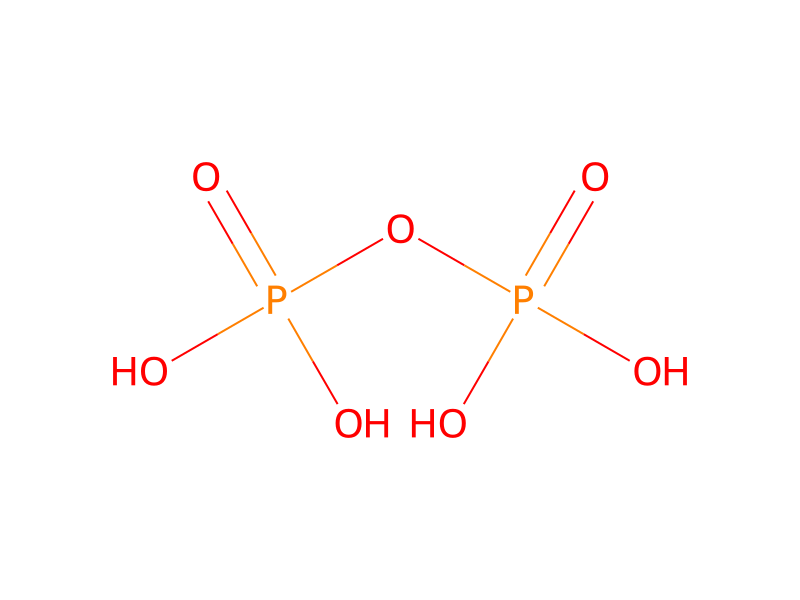
Pyrophosphoric acid → 2-Cyclopropyl-4-(4'-fluorophenyl)quinoline-3-carbonitrile
Reaction equation

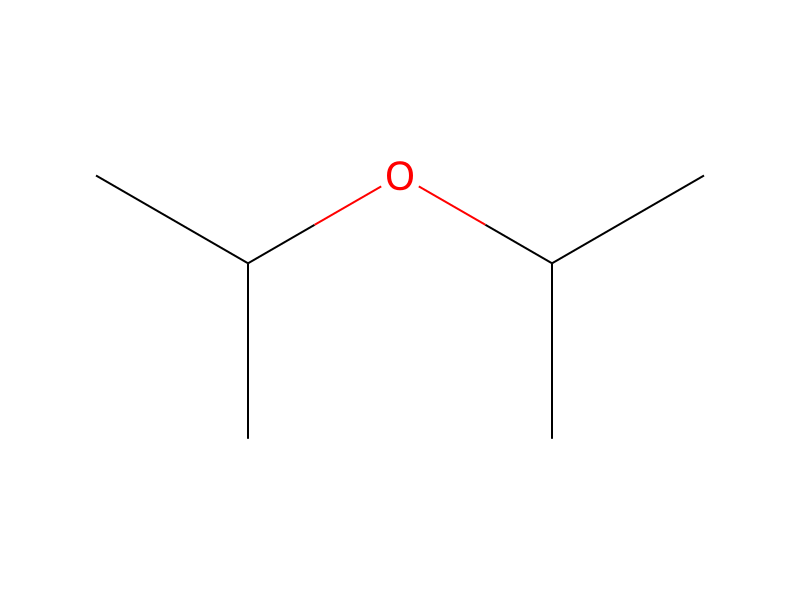
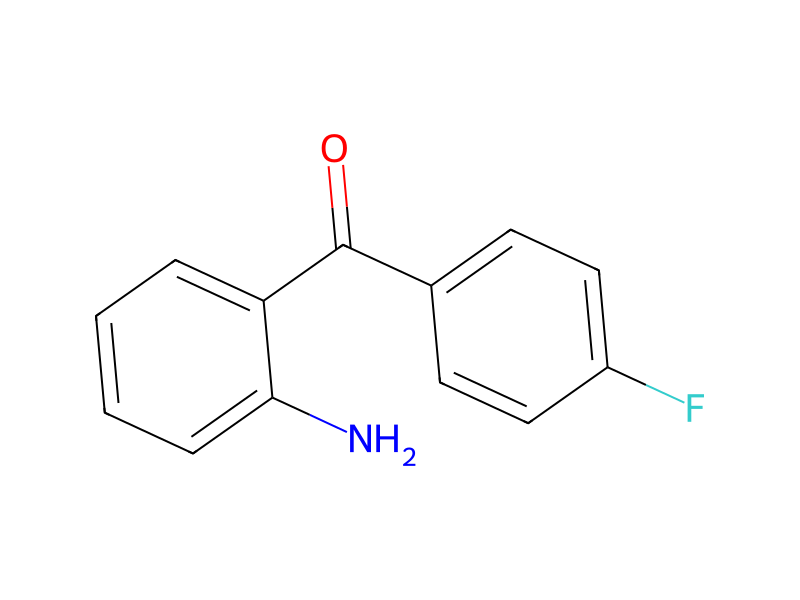
C(OC(C)C)(C)C.P(OP(O)(O)=O)(O)(O)=O.[CH:17]1([C:20](=O)[CH2:21][C:22]#[N:23])[CH2:19][CH2:18]1.[NH2:25][C:26]1[CH:40]=[CH:39][CH:38]=[CH:37][C:27]=1[C:28]([C:30]1[CH:35]=[CH:34][C:33]([F:36])=[CH:32][CH:31]=1)=O>>[CH:17]1([C:20]2[C:21]([C:22]#[N:23])=[C:28]([C:30]3[CH:35]=[CH:34][C:33]([F:36])=[CH:32][CH:31]=3)[C:27]3[C:26](=[CH:40][CH:39]=[CH:38][CH:37]=3)[N:25]=2)[CH2:19][CH2:18]1Participants


Procedure
Into a glass flask having an internal volume of 10 mL, equipped with a stirring apparatus, a thermometer, a reflux condenser and a Dean-Stark apparatus, 5 mL of diisopropyl ether was put in an atmosphere of nitrogen, and 0.82 g (4.6 mmol) of pyrophosphoric acid, 0.29 g (2.5 mmol) of 3-cyclopropyl-3-oxopropanenitrile and 0.50 g (2.3 mmol) of 2-amino-4′-fluorobenzophenone were added thereto with stirring at room temperature. Then, the temperature was raised to 70° C., and reaction was carried out for 3 hours. After completion of the reaction, the reaction liquid was cooled to room temperature, and analyzed by high performance liquid chromatography (absolute quantitative analysis), whereupon 0.60 g (yield: 91%) of 2-cyclopropyl-4-(4′-fluorophenyl)quinoline-3-carbonitrile was formed.
Workup
- customInto a glass flask having
- customan internal volume of 10 mL, equipped with a stirring apparatus
- additionwere added
- temperatureThen, the temperature was raised to 70° C.
- customreaction
- customAfter completion of the reaction
- customthe reaction liquid
- temperaturewas cooled to room temperature
Sources & evidence
- ORD record
- ord-8a0c9ad836c6445f914efe3370cad59b
- Source dataset
- uspto-grants-2005_01
- Patent number
- US06841681B2
Reaction notes
Loading…