Hydrochloric Acid → HCID 14500687, compound
Reaction equation

[Cl:1][C:2]1[CH:3]=[C:4]([NH:8][C:9](=S)[NH:10][NH2:11])[CH:5]=[CH:6][CH:7]=1.Cl[CH:14]([C:20]([CH3:22])=O)[C:15]([O:17][CH2:18][CH3:19])=[O:16].Cl>C(O)C>[Cl:1][C:2]1[CH:3]=[C:4]([NH:8][C:9]2[C:14]([C:15]([O:17][CH2:18][CH3:19])=[O:16])=[C:20]([CH3:22])[NH:11][N:10]=2)[CH:5]=[CH:6][CH:7]=1Participants
Reactant 3

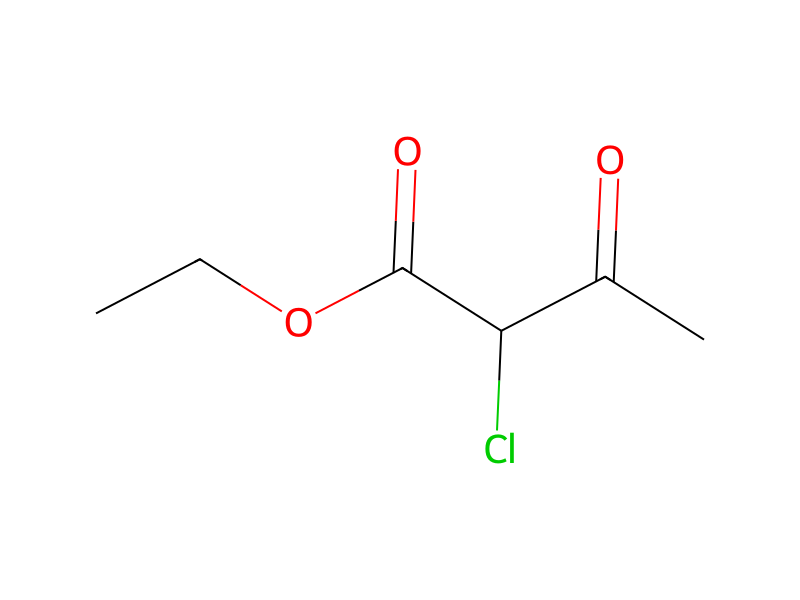

Product 1

Reagents, catalysts & solvents 1

Procedure
A stirred slurry of 8 g (0.04 mole) of 4-(3-chlorophenyl)-3-thiosemicarbazide in 75 mL of absolute ethanol was treated with 6.8 g (0.04 mole) of ethyl 2-chloroacetoacetate. The reactants quickly dissolved but a precipitate soon formed. After stirring at room temperature for 2 hr the reaction mixture was treated with 40 mL of 2N ethanolic hydrogen chloride and heated at reflux for 1 hr, then filtered while hot to remove the insoluble sulfur. The filtrate on cooling yielded 3.5 g of yellow solid and an additional 4.7 g was obtained when the filtrate was concentrated in vacuo. Recrystallization from benzene/ligroin gave 4.2 g of pale yellow brown product. Additional ligroin added to the filtrate gave, upon cooling at ~7°-10° C. for ~16 hr, additional crystals but also some oil; this tri-phase mixture was filtered to yield 1.5 g of additional product. Both solids had identical spectra. They were combined and recrystallized twice from benzene/ligroin and finally from benzene by dissolving the solids and reducing the volume until crystallization began. Upon cooling, 3.93 g of beige plate-like crystals were collected, mp 159.5°-160° C.
Workup
- dissolutionThe reactants quickly dissolved
- customa precipitate soon formed
- temperatureheated
- temperatureat reflux for 1 hr
- filtrationfiltered while hot
- customto remove the insoluble sulfur
- temperatureThe filtrate on cooling
Sources & evidence
- ORD record
- ord-c104a35038c549c38bb949113b654f9d
- Source dataset
- uspto-grants-1989_05
- Patent number
- US04826866
Reaction notes
Loading…