Water → (N-Cyclopropyl-3-Trifluoromethylbenzylsulfonamido)Acetonitrile
Reaction equation

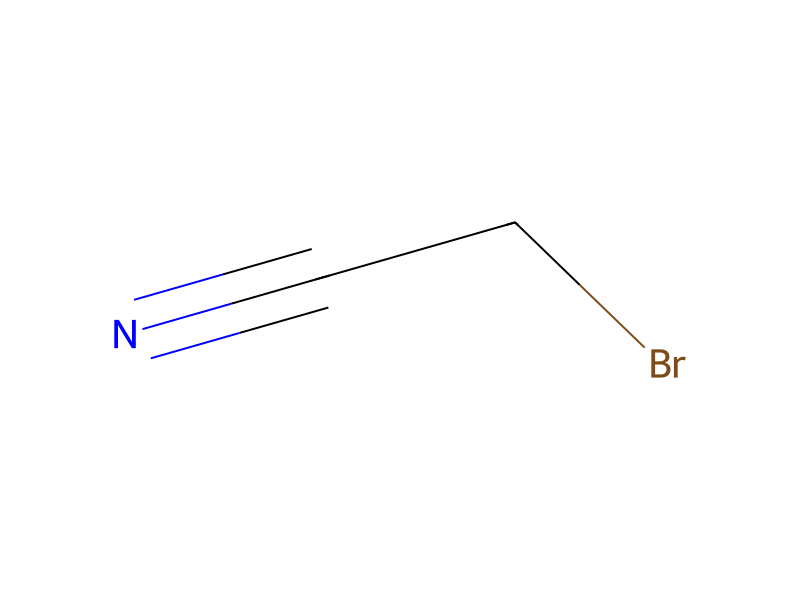
[H-].[Na+].[CH:3]1([NH:6][S:7]([CH2:10][C:11]2[CH:16]=[CH:15][CH:14]=[C:13]([C:17]([F:20])([F:19])[F:18])[CH:12]=2)(=[O:9])=[O:8])[CH2:5][CH2:4]1.Br[CH2:22][C:23]#[N:24].O>CN(C)C=O>[CH:3]1([N:6]([CH2:22][C:23]#[N:24])[S:7]([CH2:10][C:11]2[CH:16]=[CH:15][CH:14]=[C:13]([C:17]([F:20])([F:18])[F:19])[CH:12]=2)(=[O:9])=[O:8])[CH2:5][CH2:4]1Participants
6





Procedure
0.26 g of sodium hydride was added portion-wise to a solution containing 2.79 g of N-cyclopropyl-3-trifluoromethylbenzylsulfonamide in 50 ml of dimethylformamide over an ice bath. The mixture was stirred 15 minutes at 0l° C. and then 1.26 g of bromoacetonitrile was added drop-wise with cooling. The mixture was stirred overnight at room temperature. Water was then added resulting in the formation of a precipitate and oil. Addition of water was continued until no further precipitate or oil was formed. (About 150 ml of water was used.) The mix was cooled over an ice bath and then filtered. The filter cake was dissolved in hot cyclohexane and then recrystallized affording 0.9 g of the title compound as a solid m.p. 70.1°-71.0° C.
Workup
- temperaturewith cooling
- stirringThe mixture was stirred overnight at room temperature
- customresulting in the formation of a precipitate and oil
- customoil was formed
- filtrationfiltered
- dissolutionThe filter cake was dissolved in hot cyclohexane
- customrecrystallized
Sources & evidence
- ORD record
- ord-c58f835755bb4d32a86f2b847eca4a2c
- Source dataset
- uspto-grants-1989_05
- Patent number
- US04831179
Reaction notes
Loading…