Hydrogen Peroxide → HCID 15617919, compound
Reaction equation

B.CC(=CC)C.[CH2:7]([C:10]1[CH:19]=[CH:18][C:17]2[C:12](=[CH:13][CH:14]=[CH:15][CH:16]=2)[C:11]=1[O:20][CH2:21][C:22]1[CH:27]=[CH:26][CH:25]=[CH:24][CH:23]=1)[CH:8]=[CH2:9].[OH-:28].[Na+].OO>O1CCCC1.O>[OH:28][CH2:9][CH2:8][CH2:7][C:10]1[CH:19]=[CH:18][C:17]2[C:12](=[CH:13][CH:14]=[CH:15][CH:16]=2)[C:11]=1[O:20][CH2:21][C:22]1[CH:27]=[CH:26][CH:25]=[CH:24][CH:23]=1Participants






Procedure
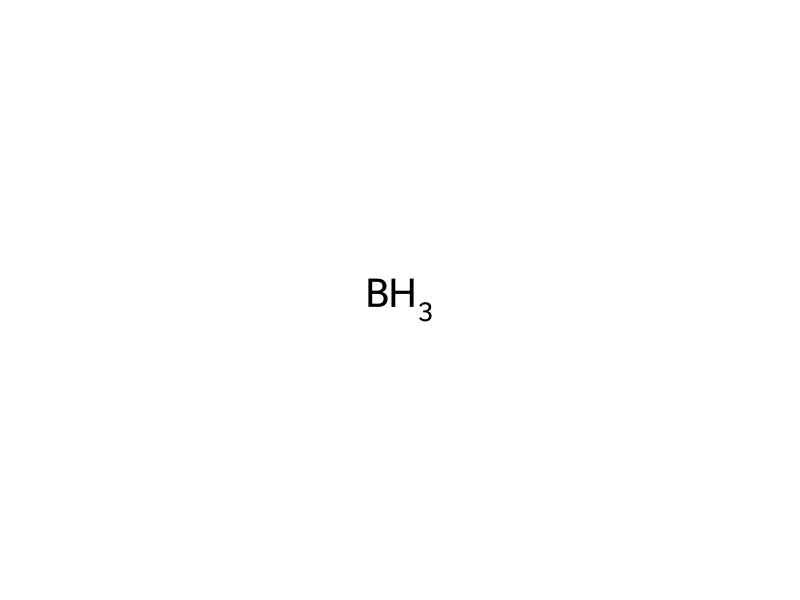
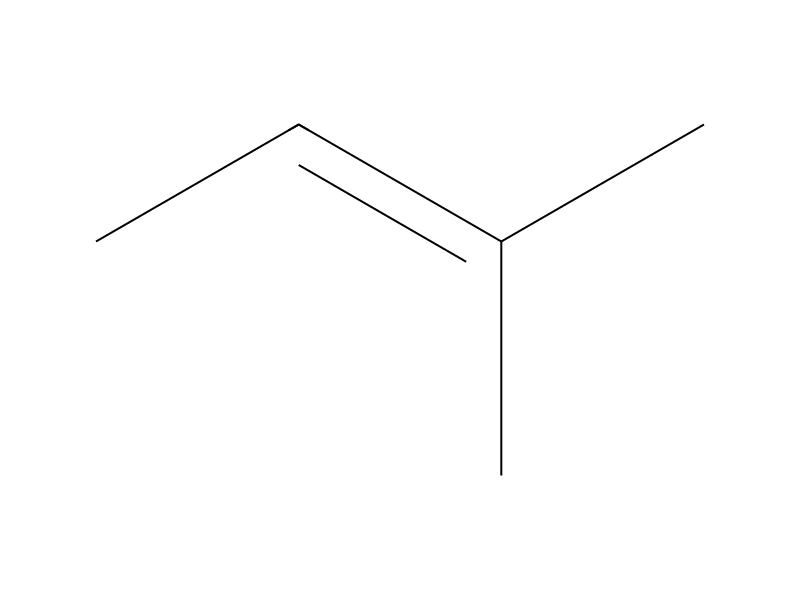
A solution of borane (1.0M in tetrahydrofuran; 100 mL, 0.100 mole) was treated at 0° with a solution of 2-methyl-2-butene (2.0M in tetrahydrofuran; 100 mL, 0.200 mole) over 40 minutes, and the resulting solution stirred at 0° for 2 hours. A solution of 2-(2-propenyl)-1-benzyloxynaphthalene (27.40 g, 0.100 mole) in dry tetrahydrofuran (50 mL) was added over 25 minutes, and stirring was continued for 40 minutes. Water (4.0 mL) was then added, followed by 3.0M aqueous sodium hydroxide (34 mL), followed by 30% aqueous hydrogen peroxide (34 mL). After the mixture was warmed to room temperature, it was extracted with ether. The residue was chromatographed with 1:1 ether/hexane and recrystallized (cyclohexane) to provide the title compound (16.10 g, 55%) as a white solid, mp 80°-81°.
Workup
- stirringstirring
- waitwas continued for 40 minutes
- extractionit was extracted with ether
- customThe residue was chromatographed with 1:1 ether/hexane
- customrecrystallized (cyclohexane)
Sources & evidence
- ORD record
- ord-25fd08ce5e634355936808545e0f12c2
- Source dataset
- uspto-grants-1989_05
- Patent number
- US04833164
Reaction notes
Loading…