Potassium Carbonate → HCID 20309447, compound
Reaction equation

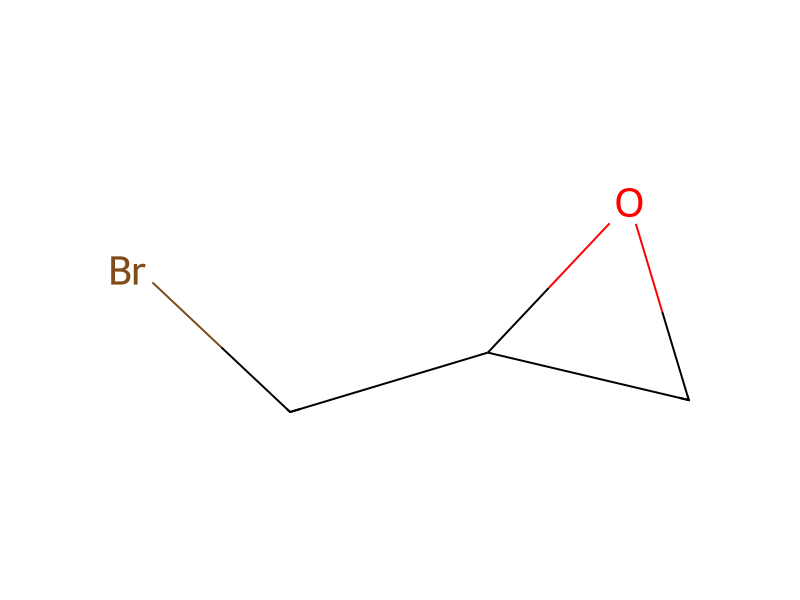
[Cl:1][C:2]1[N:3]=[N:4][C:5]([C:8]2[CH:13]=[CH:12][C:11]([O:14][CH3:15])=[CH:10][C:9]=2[OH:16])=[CH:6][CH:7]=1.C(=O)([O-])[O-].[K+].[K+].[CH2:23]([CH:25]1[O:27][CH2:26]1)Br>CC(=O)CC>[Cl:1][C:2]1[N:3]=[N:4][C:5]([C:8]2[CH:13]=[CH:12][C:11]([O:14][CH3:15])=[CH:10][C:9]=2[O:16][CH2:23][CH:25]2[O:27][CH2:26]2)=[CH:6][CH:7]=1Participants
5
Reactant 3


Product 1

Reagents, catalysts & solvents 1

Procedure
A stirred mixture of 3-chloro-6-(2-hydroxy-4-methoxyphenyl)pyridazine (0.1 mole), potassium carbonate (0.3 mole) and epibromohydrin (0.4 mole) in butan-2-one was heated under reflux overnight. The filtered solution was evaporated to give an oil which was purified by elution with mixtures of chloroform-methanol on a silica column to give 3-chloro-6-[2-(2,3-epoxypropoxy)-4-methoxyphenyl]pyridazine m.p. 111°-112° (ethanol).
Workup
- temperaturewas heated
- temperatureunder reflux overnight
- customThe filtered solution was evaporated
- customto give an oil which
- customwas purified by elution with mixtures of chloroform-methanol on a silica column
Sources & evidence
- ORD record
- ord-ed32075728974993a5b6338fab1a7c8d
- Source dataset
- uspto-grants-1978_09
- Patent number
- US04111935
Reaction notes
Loading…