Water → HCID 12703747, compound
Reaction equation

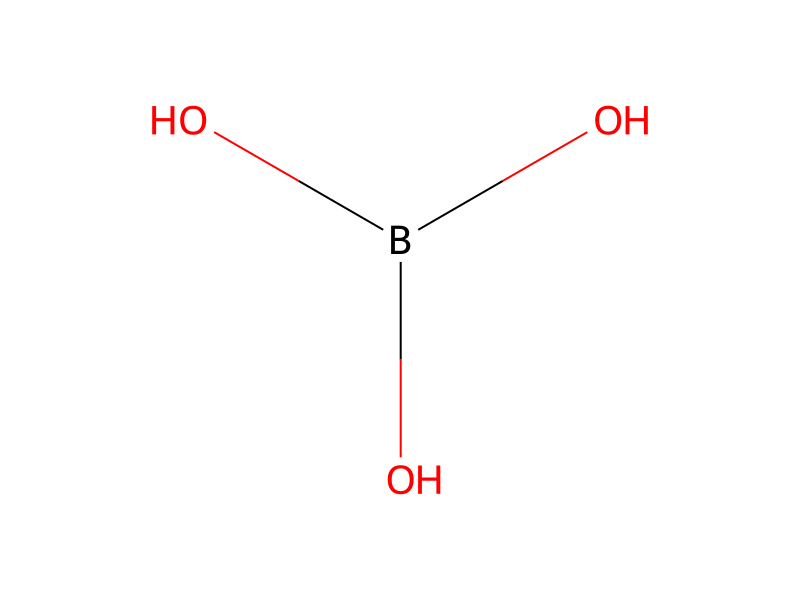
[CH:1]([C:3]1[CH:8]=[CH:7][C:6]([C:9]2[C:13]3[CH:14]=[CH:15][CH:16]=[CH:17][C:12]=3[O:11][N:10]=2)=[CH:5][CH:4]=1)=O.[Cl:18][C:19]1[CH:25]=[CH:24][C:22]([NH2:23])=[CH:21][CH:20]=1.B(O)(O)O.O>C1(C)C(C)=CC=CC=1>[Cl:18][C:19]1[CH:25]=[CH:24][C:22]([N:23]=[CH:1][C:3]2[CH:8]=[CH:7][C:6]([C:9]3[C:13]4[CH:14]=[CH:15][CH:16]=[CH:17][C:12]=4[O:11][N:10]=3)=[CH:5][CH:4]=2)=[CH:21][CH:20]=1Participants
6
Reactant 4



Product 1

Reagents, catalysts & solvents 1

Conditions
- Temperature
- 60 °C
Procedure
22.32 g of 3-(p-formylphenyl)-1,2-benzisoxazole, 14.03 g of p-chloroaniline and 0.5 g of boric acid in 160 ml of xylene are refluxed for 2 hours, the water formed being distilled off. The mixture is cooled to 60° C., 500 ml of methanol are added and the resulting mixture is further cooled to -10° C. The product which has precipitated is filtered off with suction, washed with 100 ml of cold methanol and dried. This gives 32 g (96.2% of theory) of compound (102) in the form of pale yellow crystals which melt at 164° to 165° C. After recrystallising twice from toluene, pale yellow crystals with a melting point of 164.5° to 165° C. are obtained.
Workup
- distillationbeing distilled off
- addition500 ml of methanol are added
- temperaturethe resulting mixture is further cooled to -10° C
- customThe product which has precipitated
- filtrationis filtered off with suction
- washwashed with 100 ml of cold methanol
- customdried
- custommelt at 164° to 165° C
- customAfter recrystallising twice from toluene, pale yellow crystals with a melting point of 164.5° to 165° C.
- customare obtained
Sources & evidence
- ORD record
- ord-e214c028425d4bd1a729bd8acac29ee4
- Source dataset
- uspto-grants-1978_09
- Patent number
- US04113938
Reaction notes
Loading…