Water → 4-nitrophenyl 3,4-dihydroquinoline-1(2H)-carboxylate
Reaction equation

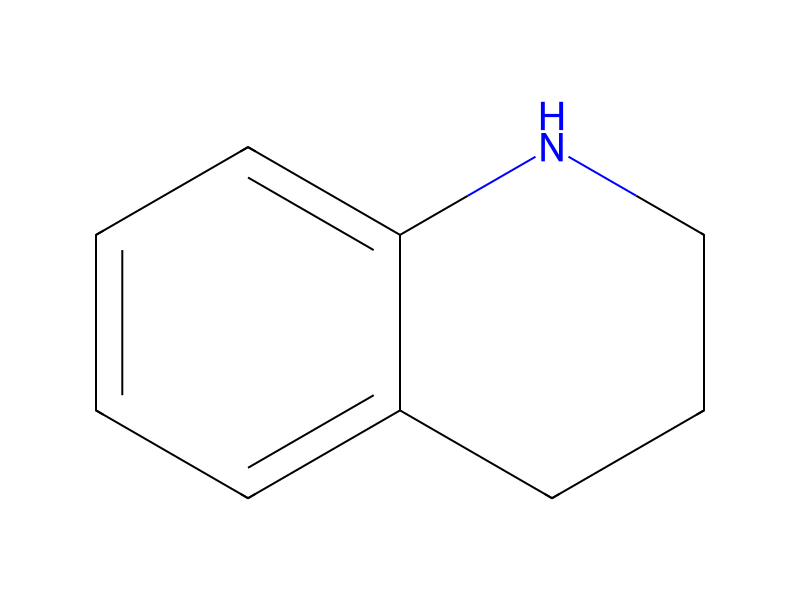
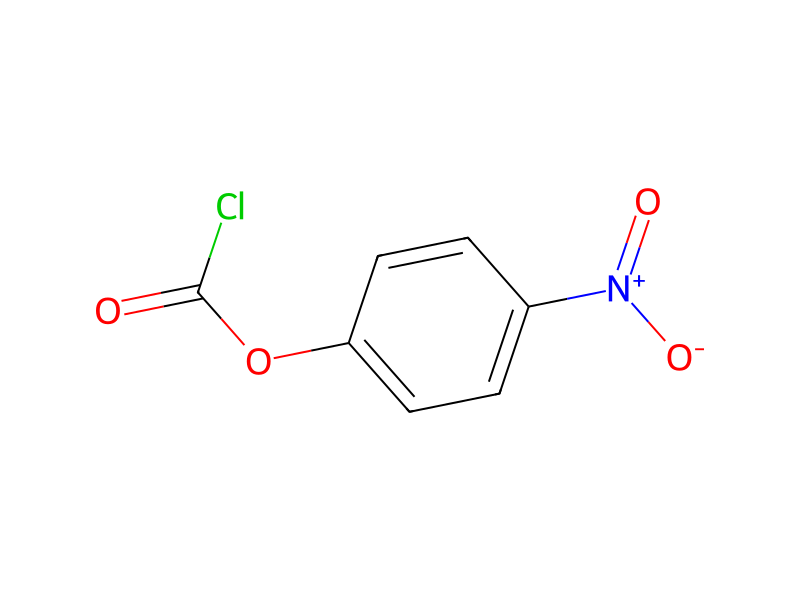
[NH:1]1[C:10]2[C:5](=[CH:6][CH:7]=[CH:8][CH:9]=2)[CH2:4][CH2:3][CH2:2]1.N1C=CC=CC=1.Cl[C:18]([O:20][C:21]1[CH:26]=[CH:25][C:24]([N+:27]([O-:29])=[O:28])=[CH:23][CH:22]=1)=[O:19].O>C1COCC1>[N:1]1([C:18]([O:20][C:21]2[CH:22]=[CH:23][C:24]([N+:27]([O-:29])=[O:28])=[CH:25][CH:26]=2)=[O:19])[C:10]2[C:5](=[CH:6][CH:7]=[CH:8][CH:9]=2)[CH2:4][CH2:3][CH2:2]1Participants
6




Procedure
1,2,3,4-Tetrahydroquinoline (1 ml, 7.97 mmol) was dissolved in THF (20 ml), and pyridine (1.58 ml, 15.93 mmol) was added thereto and cooled on ice. p-Nitrophenyl chloroformate (1.61 g, 7.97 mmol) was added to the reaction solution and stirred at room temperature for 4 hours, then water and a saturated saline solution were added, and the reaction solution was extracted with ethyl acetate. The extract was dried over magnesium sulfate and concentrated under reduced pressure, whereby 2.57 g 4-nitrophenyl 3,4-dihydroquinoline-1(2H)-carboxylate was obtained as pale yellow solution.
Workup
- temperaturecooled on ice
- extractionthe reaction solution was extracted with ethyl acetate
- dry with materialThe extract was dried over magnesium sulfate
- concentrationconcentrated under reduced pressure
Sources & evidence
- ORD record
- ord-e3851f739dee4ba0a10bb10ad5c0104f
- Source dataset
- uspto-grants-2007_06
- Patent number
- US07229986B2
Reaction notes
Loading…