Water → HCID 23614758, compound
Reaction equation

[OH:1][C:2]1[CH:7]=[CH:6][C:5]([N:8]2[CH2:12][CH2:11][CH2:10][C:9]2=[O:13])=[CH:4][CH:3]=1.[F:14][C:15]1[CH:16]=[C:17]([CH:20]=[CH:21][CH:22]=1)[CH2:18]Br.C(=O)([O-])[O-].[K+].[K+].O>CC(=O)CC.C(OCC)(=O)C>[F:14][C:15]1[CH:16]=[C:17]([CH:20]=[CH:21][CH:22]=1)[CH2:18][O:1][C:2]1[CH:7]=[CH:6][C:5]([N:8]2[CH2:12][CH2:11][CH2:10][C:9]2=[O:13])=[CH:4][CH:3]=1Participants
7


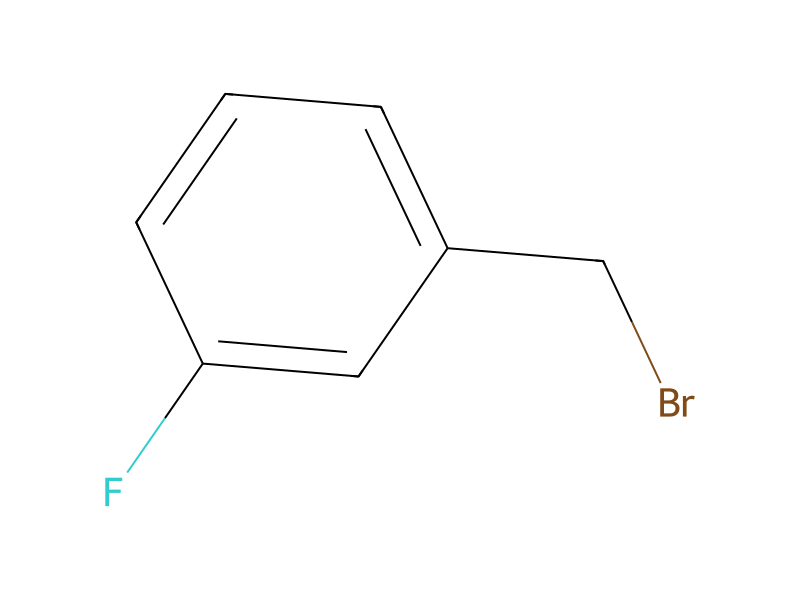



Conditions
- Temperature
- 80 °C
Procedure
A mixture of 2.73 g (15.4 mmol) of 1-(4-hydroxy-phenyl)-pyrrolidin-2-one, 3.2 g (16.9 mmol) of 3-fluorobenzylbromide and 4.26 g (31 mmol) of potassium carbonate in 100 ml of 2-butanone is heated at 80° C. for 18 hours. After cooling to RT, the reaction mixture is treated with water and ethyl acetate. The organic layer is separated, dried over magnesium sulfate and evaporated under reduced pressure. The solid residue is crystallised from ether to yield 3.86 g (88% of theory) of 1-[4-(3-fluoro-benzyloxy)-phenyl]-pyrrolidin-2-one as a colorless solid. MS: m/e=286.0 (M+H)+.
Workup
- temperatureAfter cooling to RT
- customThe organic layer is separated
- dry with materialdried over magnesium sulfate
- customevaporated under reduced pressure
- customThe solid residue is crystallised from ether
Sources & evidence
- ORD record
- ord-bfaab34fd87d4736bf247b26c428ce39
- Source dataset
- uspto-grants-2007_06
- Patent number
- US07235581B2
Reaction notes
Loading…