Ethylene Glycol → 2-(4-Bromophenyl)-1,3-dioxolane
Reaction equation

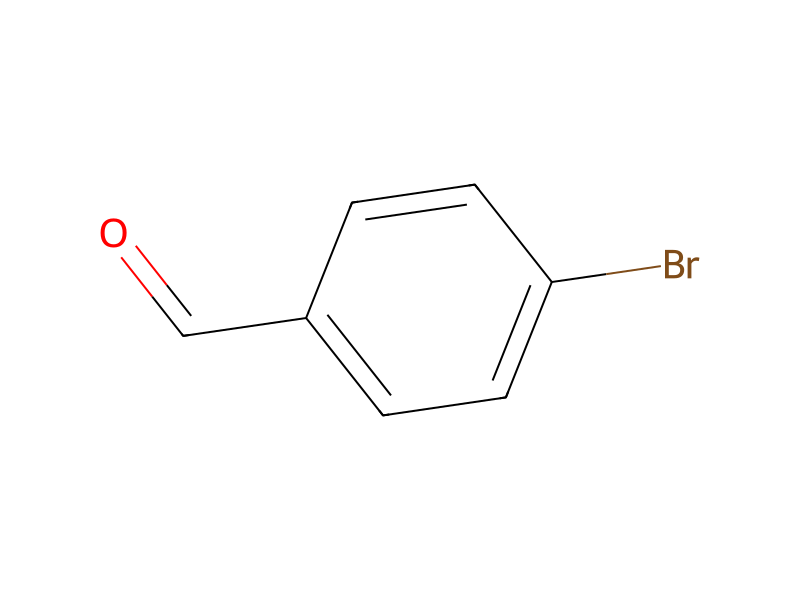
[Br:1][C:2]1[CH:9]=[CH:8][C:5]([CH:6]=[O:7])=[CH:4][CH:3]=1.[CH2:10](O)[CH2:11][OH:12].C1(C)C=CC(S(O)(=O)=O)=CC=1>C1(C)C=CC=CC=1>[CH2:11]1[O:12][CH:6]([C:5]2[CH:8]=[CH:9][C:2]([Br:1])=[CH:3][CH:4]=2)[O:7][CH2:10]1Participants
5
Reactant 3


Product 1

Reagents, catalysts & solvents 1

Procedure
A mixture of 100 g 4-bromobenzaldehyde, 40 ml ethylene glycol, 800 ml of toluene and a catalytic amount of p-toluenesulfonic acid was refluxed for 2 hours, removing water with a Dean-Stark trap. The mixture was then cooled and poured into cold dilute potassium carbonate solution, extracted three times with ether and dried (MgSO4). Solvent was removed under reduced pressure, giving 118 g of 4-bromobenzaldehyde ethylene ketal (23) as a solid.
Workup
- customremoving water with a Dean-Stark trap
- temperatureThe mixture was then cooled
- additionpoured into cold dilute potassium carbonate solution
- extractionextracted three times with ether
- dry with materialdried (MgSO4)
- customSolvent was removed under reduced pressure
Sources & evidence
- ORD record
- ord-66818a250b3a4f4494d532220960e1d8
- Source dataset
- uspto-grants-1995_01
- Patent number
- US05380739
Reaction notes
Loading…