Ethylene → 6-Bromo-2-tetralone
Reaction equation

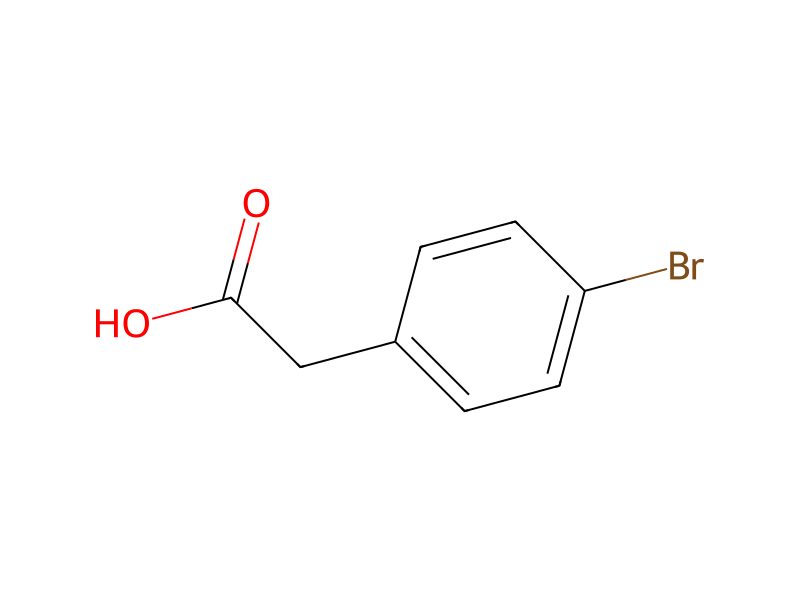
[Br:1][C:2]1[CH:7]=[CH:6][C:5]([CH2:8][C:9]([OH:11])=O)=[CH:4][CH:3]=1.[C:12](Cl)(=O)[C:13](Cl)=O.[Al+3].[Cl-].[Cl-].[Cl-].C=C>C(Cl)Cl.CN(C)C=O>[Br:1][C:2]1[CH:3]=[C:4]2[C:5](=[CH:6][CH:7]=1)[CH2:8][C:9](=[O:11])[CH2:13][CH2:12]2Participants






Conditions
- Temperature
- 0 °C
Procedure
A single neck 3 liter round bottom flask under an Ar atmosphere was charged with 4-bromobenzeneacetic acid (250.0 g, 1.15 mol), methylene chloride (1.5 L) and dimethylformamide (0.5 mL). This magnetically stirred solution was cooled to 0° C. and treated dropwise with oxalyl chloride (156 mL, 1.74 mol). The reaction was allowed to reach room temperature and stirred 16 h. The reaction was concentrated on a rotary evaporator to approximately 1 L of volume. A separate dry 5 liter 3 neck round bottom flask under Ar, fitted with gas inlet tube, overhead stirrer, and digital thermometer was charged with methylene chloride (1.5 L) and AlCl3 (312.0 g, 2.34 mol). This suspension was cooled to 0° C. and stirred while the above solution of acid chloride was added to it slowly via cannula. When the addition was complete, ethylene gas was introduced for 1-2 h. to the vigorously stirred suspension while maintaining the internal temperature at 15° C. Upon completion by HPLC, the reaction was warmed to room temperature and stirred for 0.5 h. The mixture was recooled to 0° C. and cautiously quenched slowly with water (1.5 L). The layers were separated, and the aqueous one washed with methylene chloride (500 mL). The organic portion was washed with 2N aqueous HCl (2×800 mL), brine (400 mL), and saturated aqueous NaHCO3 (2×800 mL). Each aqueous extract was washed with the same 500 mL methylene chloride extract from above. The methylene chloride extracts were combined, dried (Na2SO4), filtered, and concentrated to approximately 500 mL of volume. This was then added to 5.0 L of hexane warmed to 50° C. The methylene chloride was distilled off and the hot solution decanted from an insoluble brown tar. The solution was allowed to cool to 25° C. and placed in the freezer overnight. The precipitate was collected and washed with hexane (200 mL), and dried in vacuo to give 229.0 g of 6-bromo-3,4-dihydro-2(1H)-napthalenone as a pale yellow solid (88%).
Workup
- customto reach room temperature
- concentrationThe reaction was concentrated on a rotary evaporator to approximately 1 L of volume
- dry with materialA separate dry 5 liter 3 neck round bottom flask under Ar
- customfitted with gas inlet tube, overhead stirrer
- temperatureThis suspension was cooled to 0° C.
- additionwas added to it slowly via cannula
- additionWhen the addition
- temperaturewhile maintaining the internal temperature at 15° C
- temperatureUpon completion by HPLC, the reaction was warmed to room temperature
- stirringstirred for 0.5 h
- customwas recooled to 0° C.
- customcautiously quenched slowly with water (1.5 L)
- customThe layers were separated
- washthe aqueous one washed with methylene chloride (500 mL)
- washThe organic portion was washed with 2N aqueous HCl (2×800 mL), brine (400 mL), and saturated aqueous NaHCO3 (2×800 mL)
- extractionEach aqueous extract
- washwas washed with the same 500 mL methylene chloride
- extractionextract from above
- dry with materialdried (Na2SO4)
- filtrationfiltered
- concentrationconcentrated to approximately 500 mL of volume
- additionThis was then added to 5.0 L of hexane
- temperaturewarmed to 50° C
- distillationThe methylene chloride was distilled off
- customthe hot solution decanted from an insoluble brown tar
- temperatureto cool to 25° C.
- customplaced in the freezer overnight
- customThe precipitate was collected
- washwashed with hexane (200 mL)
- customdried in vacuo
Sources & evidence
- ORD record
- ord-03c06dc15e824349a6f7681a545dcd4f
- Source dataset
- uspto-grants-1995_01
- Patent number
- US05382587
Reaction notes
Loading…