Methanol → HCID 90093377, compound
Reaction equation

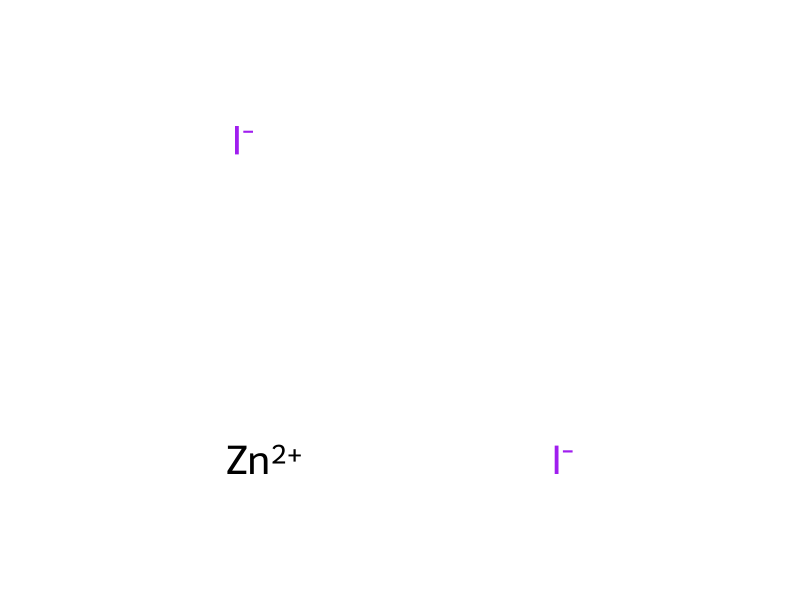
[O:1]1[C:6]2[CH:7]=[CH:8][C:9]([C:11]3[C:12]([C:19]4[S:20][CH:21]=[CH:22][N:23]=4)=[N:13][N:14]([CH3:18])[C:15]=3[CH:16]=[O:17])=[CH:10][C:5]=2[CH2:4][CH2:3][CH2:2]1.C[Si](C#N)(C)C.[Na].[C:31](Cl)(=[O:33])C.[CH3:35][OH:36]>ClCCl.[I-].[Zn+2].[I-]>[O:1]1[C:6]2[CH:7]=[CH:8][C:9]([C:11]3[C:12]([C:19]4[S:20][CH:21]=[CH:22][N:23]=4)=[N:13][N:14]([CH3:18])[C:15]=3[CH:16]([OH:17])[C:35]([O:33][CH3:31])=[O:36])=[CH:10][C:5]=2[CH2:4][CH2:3][CH2:2]1Participants







Procedure
Under nitrogen atmosphere, to a solution of 4-(3,4-dihydro-2H-1-benzopyran-6-yl)-1-methyl-3-(1,3-thiazol-2-yl)-1H-pyrazole-5-carbaldehyde (8f) (171 mg, 0.53 mmol) in anhydrous dichloromethane (2 mL) at 0° C. were successively added zinc iodide (17 mg, 0.05 mmol) and trimethylsilyl cyanide (79 μL, 0.63 mmol). The mixture was stirred at room temperature overnight and then heated at 40° C. for 4 days. After cooling to room temperature, a saturated solution of sodium hydrogenocarbonate (5 mL) was added. Layers were separated and the aqueous layer was extracted with dichloromethane (2×6 mL). The organic layers were dried over sodium sulfate and concentrated in vacuo. The residue, dissolved in anhydrous methanol (3 mL) was added to a solution of acetyl chloride (0.45 mL, 6.30 mmol) in anhydrous methanol (2 mL), previously stirred for 20 minutes at 0° C. under nitrogen atmosphere. The mixture was stirred at room temperature overnight. The solution was concentrated in vacuo and saturated solution of sodium hydrogenocarbonate (5 mL) was added to the residue. The aqueous layer was extracted with ethyl acetate (2×6 mL). The organic layer was dried over sodium sulfate and concentrated in vacuo. The residue was purified by preparative TLC (dichloromethane/7M ammonia in methanol 95/5) to provide methyl 2-[4-(3,4-dihydro-2H-1-benzopyran-6-yl)-1-methyl-3-(1,3-thiazol-2-yl)-1H-pyrazol-5-yl]-2-hydroxyacetate (8g) (86 mg, 0.22 mmol, 42%).
Workup
- customat 0° C.
- temperatureheated at 40° C. for 4 days
- temperatureAfter cooling to room temperature
- customLayers were separated
- extractionthe aqueous layer was extracted with dichloromethane (2×6 mL)
- dry with materialThe organic layers were dried over sodium sulfate
- concentrationconcentrated in vacuo
- dissolutionThe residue, dissolved in anhydrous methanol (3 mL)
- stirringpreviously stirred for 20 minutes at 0° C. under nitrogen atmosphere
- stirringThe mixture was stirred at room temperature overnight
- concentrationThe solution was concentrated in vacuo and saturated solution of sodium hydrogenocarbonate (5 mL)
- additionwas added to the residue
- extractionThe aqueous layer was extracted with ethyl acetate (2×6 mL)
- dry with materialThe organic layer was dried over sodium sulfate
- concentrationconcentrated in vacuo
- customThe residue was purified by preparative TLC (dichloromethane/7M ammonia in methanol 95/5)
Sources & evidence
- ORD record
- ord-3195afe172bf43a88b582edb6f62e773
- Source dataset
- uspto-grants-2016_02
- Patent number
- US09260395B2
Reaction notes
Loading…