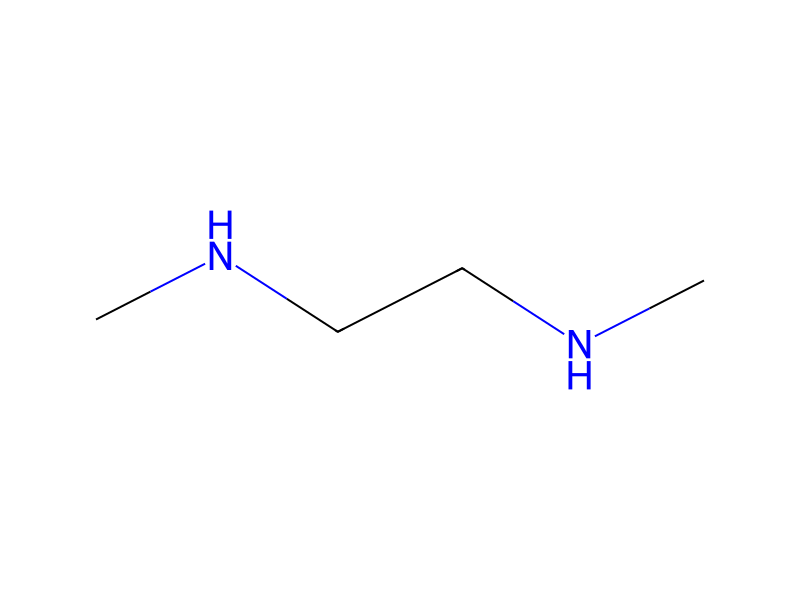
N,N'-Dimethylethylenediamine → HCID 86679116, compound
Reaction equation

Br[C:2]1[CH:3]=[N:4][CH:5]=[C:6]([Br:8])[CH:7]=1.[OH:9][CH2:10][C@H:11]1[NH:15][C:14](=[O:16])[CH2:13][CH2:12]1.C(=O)([O-])[O-].[K+].[K+].CNCCNC>O1CCOCC1.[Cu]I>[Br:8][C:6]1[CH:7]=[C:2]([N:15]2[C@H:11]([CH2:10][OH:9])[CH2:12][CH2:13][C:14]2=[O:16])[CH:3]=[N:4][CH:5]=1Participants
7
Reactant 4



Product 1

Reagents, catalysts & solvents 2


Conditions
- Temperature
- 110 °C
Procedure
In a sealed tube, 3,5-dibromopyridine (0.5 g, 2.11 mmol) was combined with (S)-5-(hydroxymethyl)pyrrolidin-2-one (0.243 g, 2.11 mmol), copper (I) iodide (0.040 g, 0.021 mmol), potassium carbonate (0.583 g, 4.22 mmol) and N,N′-dimethylethylenediamine (0.037 g, 0.042 mmol) in 1,4-dioxane (20 mL). The reaction mixture was heated to 110° C. over night. The mixture was cooled to room temperature, filtered through Dicalite and washed with DCM. The residue was purified by silica gel flash chromatography eluting with a 0 to 10% MeOH-DCM gradient to give the title compound (0.140 g, 25%) as a light yellow oil. MS: 271.1, 273.1 (M+H+).
Workup
- temperatureThe mixture was cooled to room temperature
- filtrationfiltered through Dicalite
- washwashed with DCM
- customThe residue was purified by silica gel flash chromatography
- washeluting with a 0 to 10% MeOH-DCM gradient
Sources & evidence
- ORD record
- ord-a7556a098ff84571931753cdaa5c34f5
- Source dataset
- uspto-grants-2016_02
- Patent number
- US09260408B2
Reaction notes
Loading…