Picolinic acid → Diethyl 2-(3-(6-(4-(tert-butoxycarbonyl)piperazin-1-yl)pyridin-2-yl)-1-(tetrahydro-2H-pyran-2-yl)-1H-pyrazolo[3,4-c]pyridin-5-yl)malonate
Reaction equation

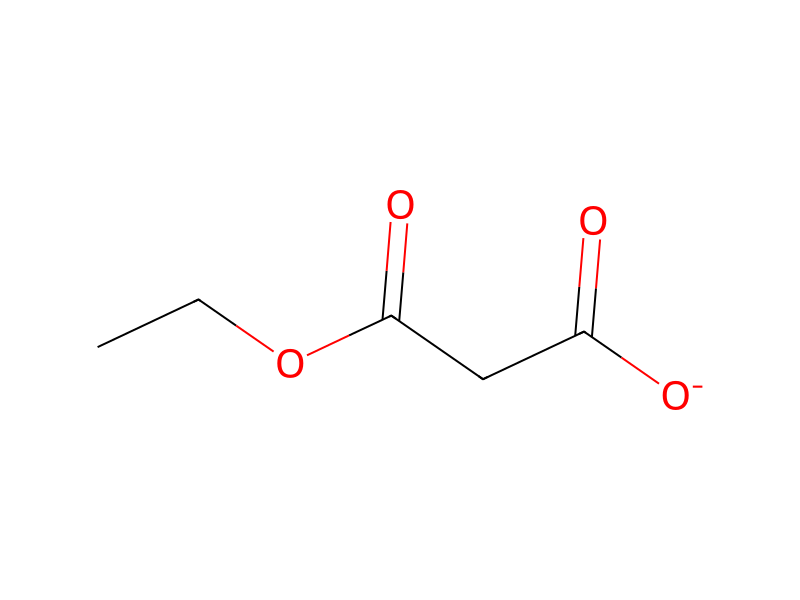
[C:1]([O:5][C:6]([N:8]1[CH2:13][CH2:12][N:11]([C:14]2[CH:19]=[CH:18][CH:17]=[C:16]([C:20]3[C:28]4[C:23](=[CH:24][N:25]=[C:26](Br)[CH:27]=4)[N:22]([CH:30]4[CH2:35][CH2:34][CH2:33][CH2:32][O:31]4)[N:21]=3)[N:15]=2)[CH2:10][CH2:9]1)=[O:7])([CH3:4])([CH3:3])[CH3:2].[C:36]([O:42][CH2:43][CH3:44])(=[O:41])[CH2:37][C:38]([O-:40])=[O:39].C(=O)([O-])[O-].[Cs+].[Cs+].N1C=CC=[CH:53][C:52]=1C(O)=O>O1CCOCC1.[Cu]I>[C:1]([O:5][C:6]([N:8]1[CH2:13][CH2:12][N:11]([C:14]2[N:15]=[C:16]([C:20]3[C:28]4[C:23](=[CH:24][N:25]=[C:26]([CH:37]([C:38]([O:40][CH2:52][CH3:53])=[O:39])[C:36]([O:42][CH2:43][CH3:44])=[O:41])[CH:27]=4)[N:22]([CH:30]4[CH2:35][CH2:34][CH2:33][CH2:32][O:31]4)[N:21]=3)[CH:17]=[CH:18][CH:19]=2)[CH2:10][CH2:9]1)=[O:7])([CH3:4])([CH3:3])[CH3:2]Participants
Reactant 4



Product 1

Reagents, catalysts & solvents 2


Conditions
- Temperature
- 100 °C
Procedure
A mixture of 218 mg (0.40 mmol) of 4-{6-[5-Bromo-1-(tetrahydro-pyran-2-yl)-1H-pyrazolo[3,4-c]pyridin-3-yl]-pyridin-2-yl}-piperazine-1-carboxylic acid tert-butyl ester, 1.22 mL (8.02 mmol) of Ethyl malonate, 76 mg (0.40 mmol) of copper(I) iodide, 654 mg (2.006 mmol) of cesium carbonate and 99 mg (0.80 mmol) of picolinic acid in 4.0 ml of 1,4-dioxane was degassed and then heated for 24 hours at 100° C. The mixture was filtered and the filtrate concentrated in vacuum. The residue was partitioned between ethyl acetate and water, the organic extracts were washed consequently with saturated aqueous NaHCO3, 5% aqueous citric acid, water, brine, dried over MgSO4 and concentrated. The residue was purified via silica gel chromatography using a gradient of ethyl acetate in heptane to afford 117 mg (47%) of Diethyl 2-(3-(6-(4-(tert-butoxycarbonyl)piperazin-1-yl)pyridin-2-yl)-1-(tetrahydro-2H-pyran-2-yl)-1H-pyrazolo[3,4-c]pyridin-5-yl)malonate. ESI MS m/z 623.3 (M+1).
Workup
- customwas degassed
- filtrationThe mixture was filtered
- concentrationthe filtrate concentrated in vacuum
- customThe residue was partitioned between ethyl acetate and water
- washthe organic extracts were washed consequently with saturated aqueous NaHCO3, 5% aqueous citric acid, water, brine
- dry with materialdried over MgSO4
- concentrationconcentrated
- customThe residue was purified via silica gel chromatography
Sources & evidence
- ORD record
- ord-e6fcd5686e344782b651a3383c889695
- Source dataset
- uspto-grants-2016_02
- Patent number
- US09260425B2
Reaction notes
Loading…