Epichlorohydrin → Sodium 3-chloro-2-hydroxypropylsulfonate
Reaction equation

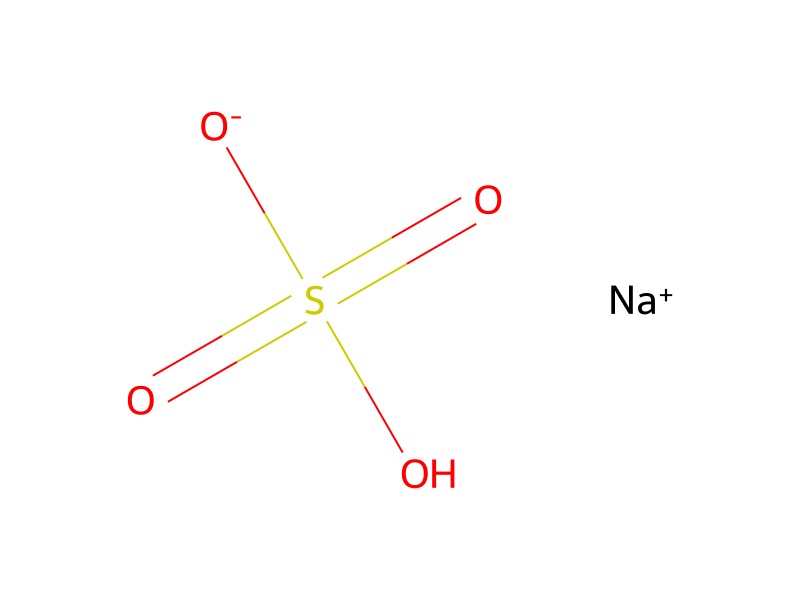
[CH2:1]([CH:3]1[O:5][CH2:4]1)[Cl:2].[S:6](=O)(=[O:9])([OH:8])[O-:7].[Na+:11]>>[Cl:2][CH2:1][CH:3]([OH:5])[CH2:4][S:6]([O-:9])(=[O:8])=[O:7].[Na+:11]Participants
3


Procedure
In this example, sultaine derivatives are formed using the products of Example 2. In general, epichlorohydrin is reacted with sodium bisulfate (NaHSO3) to form sodium 3-chloro-2-hydroxypropanesulfonate. This product is then reacted with the alkylamidoalkylamine composition (e.g., from Example 2) to provide the corresponding hydroxysultaine.
Sources & evidence
- ORD record
- ord-39ab8058c303465fb1488db6b4006607
- Source dataset
- uspto-grants-2016_02
- Patent number
- US09266821B2
Reaction notes
Loading…