Pyridine → Methyl 4-(3-fluorophenoxy)benzoate
Reaction equation

[OH:1][C:2]1[CH:11]=[CH:10][C:5]([C:6]([O:8][CH3:9])=[O:7])=[CH:4][CH:3]=1.[F:12][C:13]1[CH:14]=[C:15](B(O)O)[CH:16]=[CH:17][CH:18]=1.N1C=CC=CC=1>ClCCl.C([O-])(=O)C.[Cu+2].C([O-])(=O)C>[F:12][C:13]1[CH:18]=[C:17]([CH:16]=[CH:15][CH:14]=1)[O:1][C:2]1[CH:3]=[CH:4][C:5]([C:6]([O:8][CH3:9])=[O:7])=[CH:10][CH:11]=1Participants
6
Reactant 3

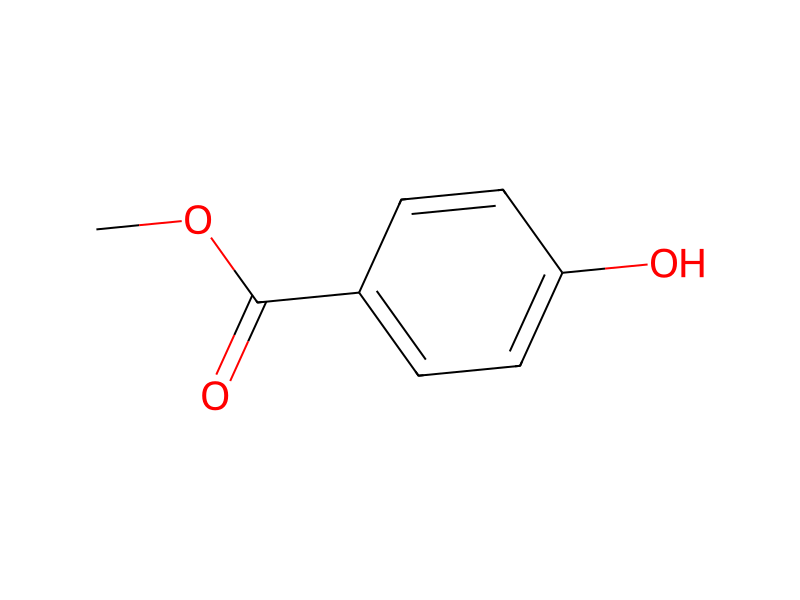

Product 1

Reagents, catalysts & solvents 2


Procedure
A mixture of methyl 4-hydroxybenzoate (0.400 g; 2.63 mmol), 3-fluorobenzene boronic acid (0.735 g; 5.26 mmol), copper acetate (0.955 g; 5.26 mmol) and pyridine (0.425 mL; 5.26 mmol) in dichloromethane (15 mL) was stirred at room temperature overnight. The reaction mixture was filtered and concentrated under reduced pressure.
Workup
- filtrationThe reaction mixture was filtered
- concentrationconcentrated under reduced pressure
Sources & evidence
- ORD record
- ord-cb1f2ccb3941421198d896d3ed1b911d
- Source dataset
- uspto-grants-2016_02
- Patent number
- US09266832B2
Reaction notes
Loading…