Ethyl Acetoacetate → HCID 131734829, compound
Reaction equation

ClC1C=C(F)C=CC=1[C@H:9]1[C:14]([C:15]([O-:17])=[O:16])=[C:13]([CH2:18][Br:19])[NH:12][C:11]([C:20]2[S:21][CH:22]=[CH:23][N:24]=2)=[N:10]1.[C:25](OCC)(=O)[CH2:26]C(C)=O.[F:34][C:35]1[C:42]([F:43])=[CH:41][CH:40]=[CH:39][C:36]=1C=O.ClC1C=C(F)C=CC=1C=O>>[Br:19][CH2:18][C:13]1[NH:12][C:11]([C:20]2[S:21][CH:22]=[CH:23][N:24]=2)=[N:10][C@@H:9]([C:36]2[CH:39]=[CH:40][CH:41]=[C:42]([F:43])[C:35]=2[F:34])[C:14]=1[C:15]([O:17][CH2:25][CH3:26])=[O:16]Participants
5



Procedure
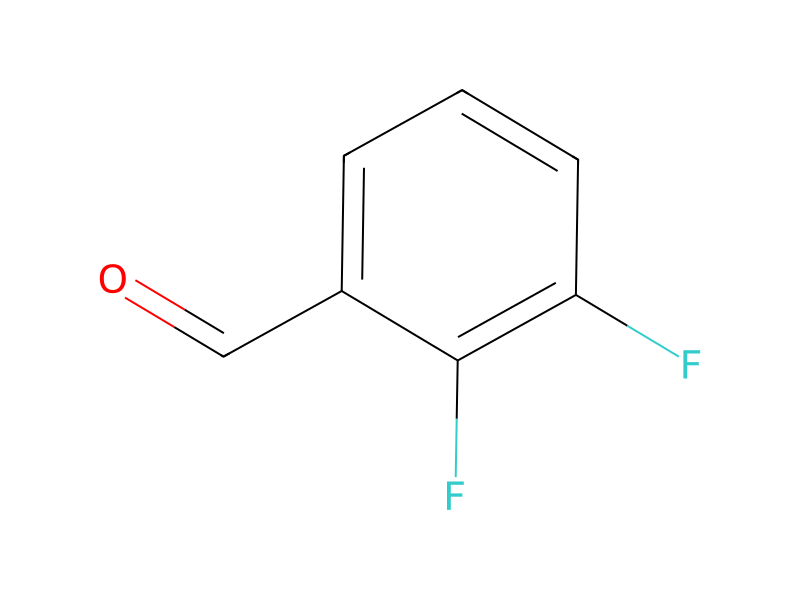
Ethyl (4R)-6-(bromomethyl)-4-(2,3-difluoro-phenyl)-2-thiazol-2-yl-1,4-dihydropyrimidine-5-carboxylate 140a was prepared in analogy to compound C in Example 1 by using ethyl acetoacetate and 2,3-difluorobenzaldehyde instead of methyl acetoacetate and 2-chloro-4-fluoro-benzaldehyde, respectively.
Sources & evidence
- ORD record
- ord-6865bf13a3224b0fb6aa14b3b3eb3a84
- Source dataset
- uspto-grants-2016_02
- Patent number
- US09266904B2
Reaction notes
Loading…