Ethyl Acetate → HCID 19707490, compound
Reaction equation

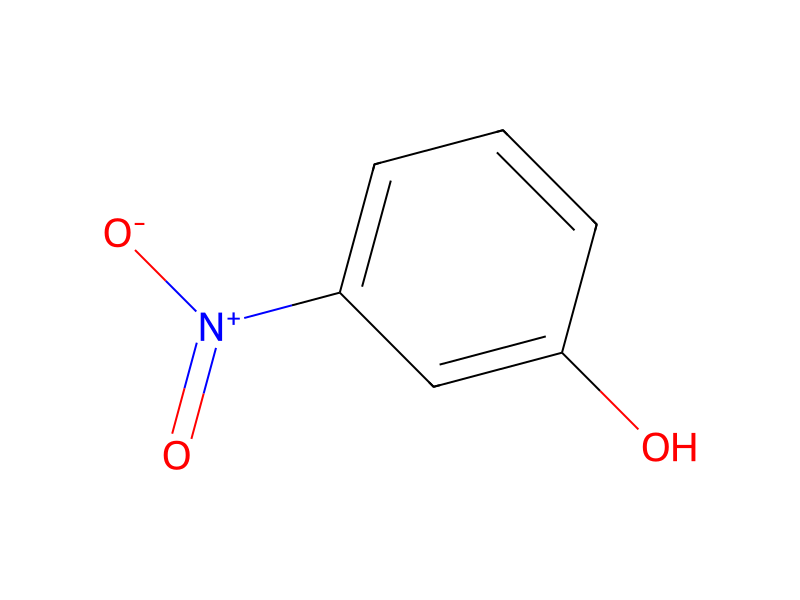
I[C:2]1[CH:3]=[C:4]([CH:9]=[CH:10][CH:11]=1)[C:5]([O:7][CH3:8])=[O:6].[N+:12]([C:15]1[CH:16]=[C:17]([OH:21])[CH:18]=[CH:19][CH:20]=1)([O-:14])=[O:13].C([O-])([O-])=O.[K+].[K+].C(OCC)(=O)C>N1C=CC=CC=1.[Cu].O>[C:5]([C:4]1[CH:3]=[C:2]([O:21][C:17]2[CH:16]=[C:15]([N+:12]([O-:14])=[O:13])[CH:20]=[CH:19][CH:18]=2)[CH:11]=[CH:10][CH:9]=1)([O:7][CH3:8])=[O:6]Participants
8







Procedure
A solution of methyl 3-iodobenzoate (2.54 g), 3-nitrophenol (1.48 g), and K2CO3 (3.97 g) in 60 mL of pyridine was warmed to 100° C. under nitrogen atmosphere. Copper powder (1.84 g) was added, and the reaction mixture was heated to reflux. After 22 h, The reaction was cooled to room temperature and poured into ethyl acetate and water. The organic layer was washed twice with 10% aq. HCl solution, then with sat. aq. NaHCO3 solution, then with brine. The solution was dried (Na2SO4), filtered, and concentrated in vacuo to provide the crude product. Purification by silica gel chromatography (CH2Cl2) provided the product as a yellow oil.
Workup
- temperaturethe reaction mixture was heated to reflux
- washThe organic layer was washed twice with 10% aq. HCl solution
- dry with materialThe solution was dried (Na2SO4)
- filtrationfiltered
- concentrationconcentrated in vacuo
- customto provide the crude product
- customPurification by silica gel chromatography (CH2Cl2)
Sources & evidence
- ORD record
- ord-774a7d12d80c4d4992830bee2a8edd01
- Source dataset
- uspto-grants-1997_05
- Patent number
- US05631280
Reaction notes
Loading…