p-Toluenesulfonic acid → 2-Formyl-5,5-dimethyl-1,3-dioxane
Reaction equation

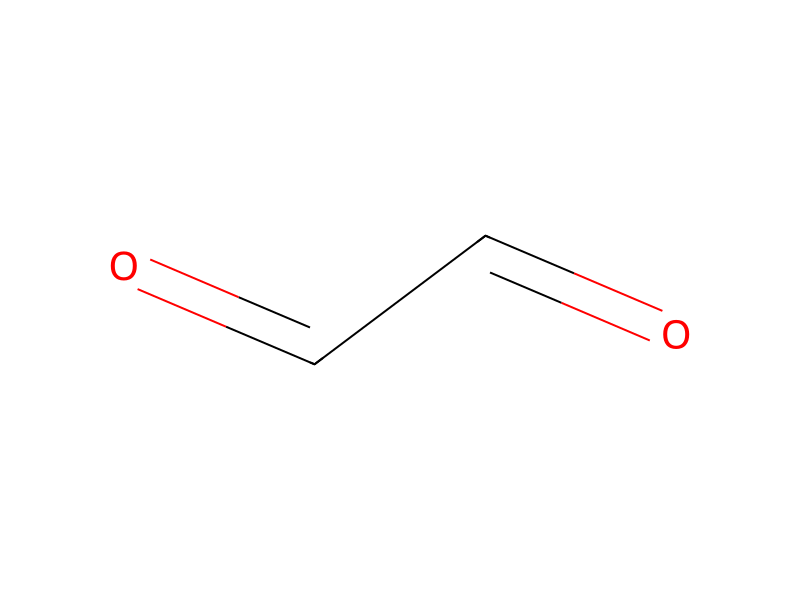
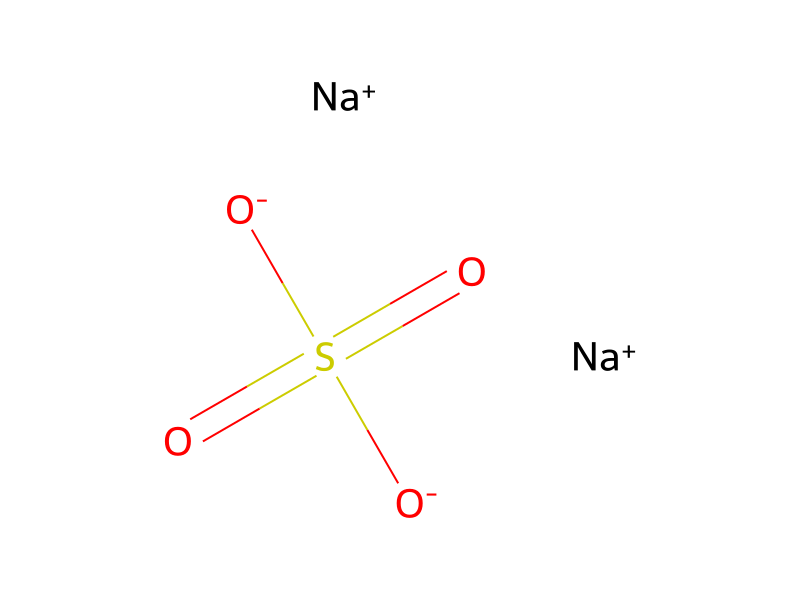
[CH:1]([CH:3]=[O:4])=[O:2].[CH3:5][C:6]([CH3:11])([CH2:9]O)[CH2:7][OH:8].C1(C)C=CC(S(O)(=O)=O)=CC=1.[O-]S([O-])(=O)=O.[Na+].[Na+].C([O-])(O)=O.[Na+]>C1C=CC=CC=1>[CH:1]([CH:3]1[O:8][CH2:7][C:6]([CH3:11])([CH3:9])[CH2:5][O:4]1)=[O:2]Participants
7
Reactant 5



Product 1

Reagents, catalysts & solvents 1

Procedure
A mixture of glyoxal (10.0 g of 40 wt. % aqueous solution, 0.070 mol), 2,2-dimethyl-1,3-propanediol (7.28 g, 0.070 mol) and p-toluenesulfonic acid (0.260 g, 1.36 mmol) in benzene (140 mL) was refluxed for 4 h in a flask fitted with a Soxhlet extractor containing Na2SO4. Then the reaction mixture was treated with solid NaHCO3 (0.250 g, 2.90 mmol) and filtered. The filtrate was concentrated and vacuum distilled (Kugelrohr) to afford a colorless liquid (413 mg, 4%). The 1H NMR spectrum was consistent with the data reported in a patent.19 This reactive compound was used immediately in the next reaction.
Workup
- temperaturewas refluxed for 4 h in a flask
- customfitted with a Soxhlet extractor
- filtrationfiltered
- concentrationThe filtrate was concentrated
- distillationvacuum distilled (Kugelrohr)
Sources & evidence
- ORD record
- ord-4a1c97c9bb4c4b699f0f6ce0d76f9695
- Source dataset
- uspto-grants-2009_03
- Patent number
- US07501507B2
Reaction notes
Loading…