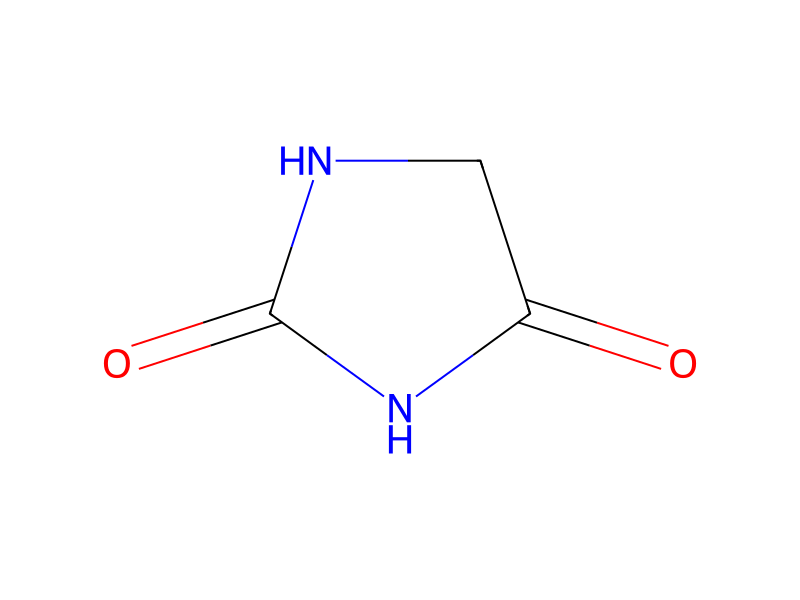
Hydantoin → 1-[1-(4-Fluorophenethyl)-piperdin-4-yl]-6-(2,4-imidazolidinedion-3-yl)methylindoline
Reaction equation

[NH:1]1[CH2:7][C:5](=[O:6])[NH:4][C:2]1=[O:3].[H-].[Na+].[F:10][C:11]1[CH:35]=[CH:34][C:14]([CH2:15][CH2:16][N:17]2[CH2:22][CH2:21][CH:20]([N:23]3[C:31]4[C:26](=[CH:27][CH:28]=[C:29]([CH2:32]Cl)[CH:30]=4)[CH2:25][CH2:24]3)[CH2:19][CH2:18]2)=[CH:13][CH:12]=1>>[F:10][C:11]1[CH:12]=[CH:13][C:14]([CH2:15][CH2:16][N:17]2[CH2:18][CH2:19][CH:20]([N:23]3[C:31]4[C:26](=[CH:27][CH:28]=[C:29]([CH2:32][N:4]5[C:5](=[O:6])[CH2:7][NH:1][C:2]5=[O:3])[CH:30]=4)[CH2:25][CH2:24]3)[CH2:21][CH2:22]2)=[CH:34][CH:35]=1Participants
4



Procedure
Hydantoin (130 mg), 60% sodium hydride (54 mg) and 1-[1-(4-fluorophenethyl)piperidin-4-yl]-6-chloromethylindoline (400 mg) were treated as in Example 202 to give the title compound (230 mg) as a white powder (yield: 49%).
Sources & evidence
- ORD record
- ord-e9bfa336a970403eaf09ba797c0f7e1b
- Source dataset
- uspto-grants-2006_07
- Patent number
- US07071201B2
Reaction notes
Loading…