Sodium hydride → HCID 22042659, compound
Reaction equation

[CH3:1][NH:2][C:3]1[CH:8]=[CH:7][C:6]([Br:9])=[CH:5][C:4]=1[CH3:10].[H-].[Na+].[CH3:13][O:14][C:15]1[CH:22]=[CH:21][C:18]([CH2:19]Cl)=[CH:17][CH:16]=1>CN(C=O)C>[CH3:1][N:2]([CH2:19][C:18]1[CH:21]=[CH:22][C:15]([O:14][CH3:13])=[CH:16][CH:17]=1)[C:3]1[CH:8]=[CH:7][C:6]([Br:9])=[CH:5][C:4]=1[CH3:10]Participants
Reactant 3

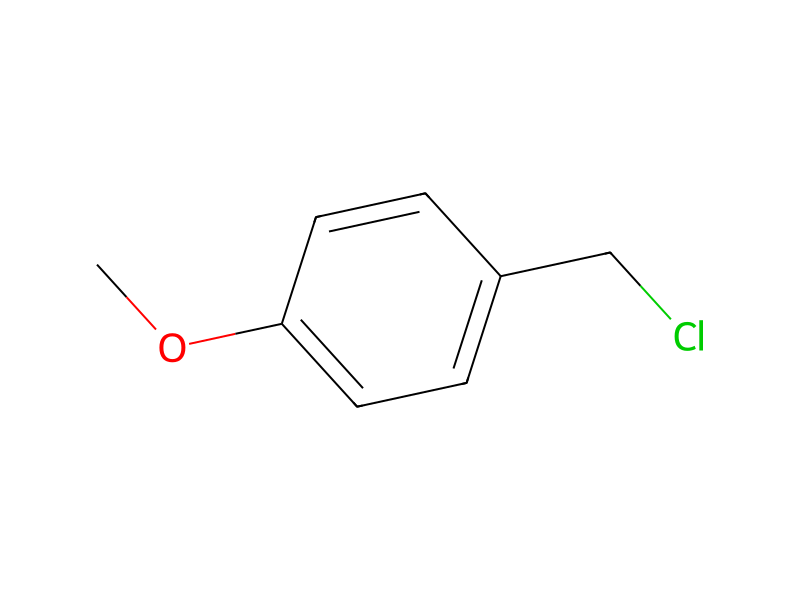

Product 1

Reagents, catalysts & solvents 1

Procedure
To a solution of 2.7 g (13.57 mmol) of N-methyl-4-bromo-2-methylaniline in 20 ml of DMF at room temperature was added 608 mg (15.2 mmol) of NaH and the mixture was stirred at room temperature for 0.5 h. After this time, 2.05 ml (15.1 mmol) of 4-methoxybenzyl chloride was added and the reaction mixture was heated to 60° C. for 12 hours. After this time, the reaction mixture was allowed to cool to room temperature and was quenched by the addition of a saturated aqueous solution of ammonium chloride and extracted with EtOAc. The combined organic layers were washed with brine, dried over MgSO4, filtered and the filtrate was concentrated. The residue was purified by chromatography (silica, hexanes:EtOAc, 20:1) to give the title compound. 1H-NMR (CDCl3) δ 2.41 (s, 3H), 2.58 (s, 3H), 3.84 (s, 3H), 3.98 (s, 2H), 6.89–6.94 (m, 3H), 7.29–7.36 (m, 4H).
Workup
- temperaturethe reaction mixture was heated to 60° C. for 12 hours
- temperatureto cool to room temperature
- customwas quenched by the addition of a saturated aqueous solution of ammonium chloride
- extractionextracted with EtOAc
- washThe combined organic layers were washed with brine
- dry with materialdried over MgSO4
- filtrationfiltered
- concentrationthe filtrate was concentrated
- customThe residue was purified by chromatography (silica, hexanes:EtOAc, 20:1)
Sources & evidence
- ORD record
- ord-c7de15a5b80d4d3ca1aea6c4a4e5da0b
- Source dataset
- uspto-grants-2006_07
- Patent number
- US07071358B2
Reaction notes
Loading…