Potassium Carbonate → HCID 22030772, compound
Reaction equation

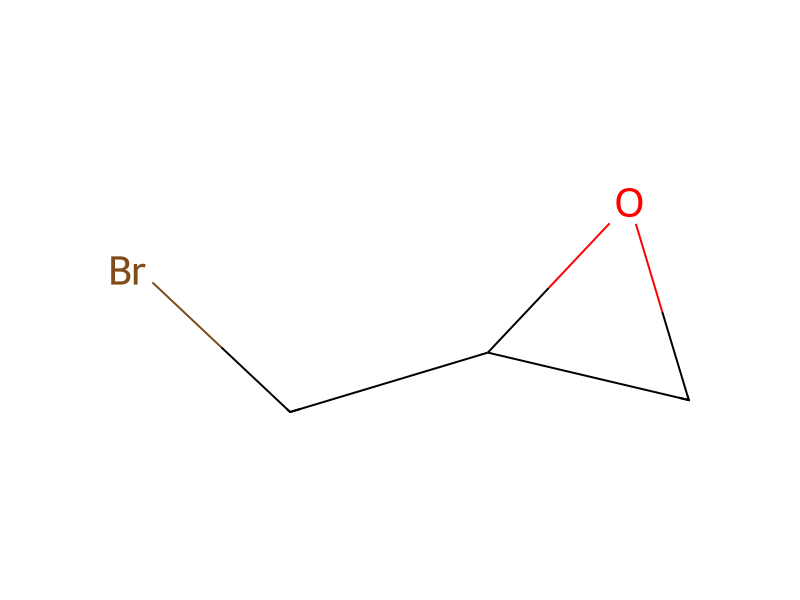
[OH:1][C:2]1[CH:11]=[C:10]2[C:5]([C:6]([O:12][C:13]3[CH:14]=[C:15]4[C:19](=[CH:20][CH:21]=3)[NH:18][C:17]([CH3:22])=[CH:16]4)=[N:7][CH:8]=[N:9]2)=[CH:4][C:3]=1[O:23][CH3:24].C(=O)([O-])[O-].[K+].[K+].[CH2:31]([CH:33]1[O:35][CH2:34]1)Br>CN(C=O)C>[O:35]1[CH2:34][CH:33]1[CH2:31][O:1][C:2]1[CH:11]=[C:10]2[C:5]([C:6]([O:12][C:13]3[CH:14]=[C:15]4[C:19](=[CH:20][CH:21]=3)[NH:18][C:17]([CH3:22])=[CH:16]4)=[N:7][CH:8]=[N:9]2)=[CH:4][C:3]=1[O:23][CH3:24]Participants
5




Conditions
- Temperature
- 60 °C
Procedure
A mixture of 7-hydroxy-6-methoxy-4-(2-methylindol-5-yloxy)quinazoline (1.89 g, 5.90 mmol), (prepared as described in Example 49), potassium carbonate (2.43 g, 17.6 mmol) and epibromohydrin (1.61 g, 11.7 mmol) in DMF (40 ml) was stirred at 60° C. for 2 hours and allowed to cool to ambient temperature. The insoluble inorganic material was removed by filtration and the solvent was removed by evaporation. The residue was triturated with diethyl ether, filtered, washed with further diethyl ether and dried to give 7-(2,3-epoxypropoxy)-6-methoxy-4-(2-methylindol-5-yloxy)quinazoline (1.97 g, 89%).
Workup
- temperatureto cool to ambient temperature
- customThe insoluble inorganic material was removed by filtration
- customthe solvent was removed by evaporation
- customThe residue was triturated with diethyl ether
- filtrationfiltered
- washwashed with further diethyl ether
- customdried
Sources & evidence
- ORD record
- ord-0bf01e89cf524f49a043d2019db3ed3b
- Source dataset
- uspto-grants-2006_07
- Patent number
- US07074800B1
Reaction notes
Loading…