1-Octanol → Octyl Acetate
Reaction equation

F[B-](F)(F)F.C(=O)([O-])[O-].[Na+].[Na+].C(O)CCCCCCC.C(OC(C)=C)(=O)C.C(OCCCCCCCC)(C)=C.[CH2:40]([O:48][C:49]([O:52]CCCCCCCC)(C)[CH3:50])[CH2:41][CH2:42][CH2:43][CH2:44][CH2:45][CH2:46][CH3:47]>C1(C)C=CC=CC=1>[C:49]([O:48][CH2:40][CH2:41][CH2:42][CH2:43][CH2:44][CH2:45][CH2:46][CH3:47])(=[O:52])[CH3:50]Participants
8



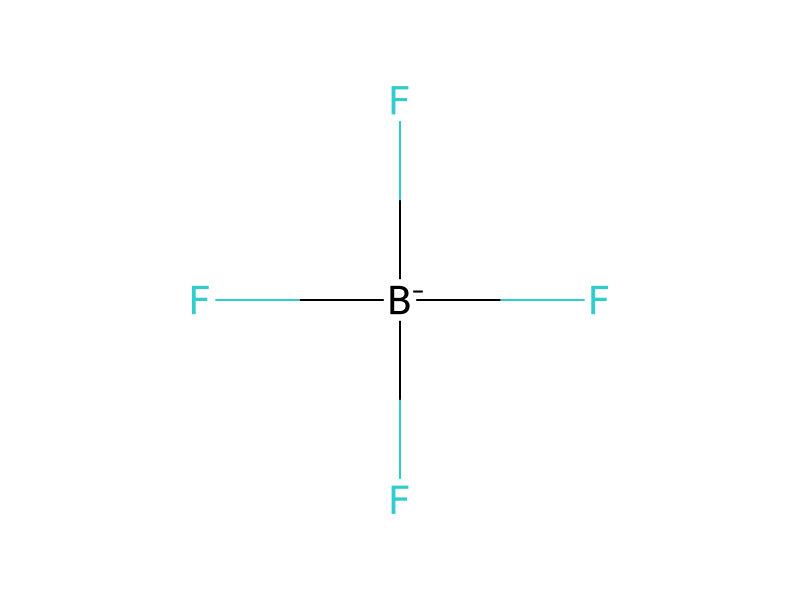



Conditions
- Temperature
- 100 °C
Procedure
To a mixture of bis(1,5-cyclooctadiene)iridium tetrafluoroborate [Ir(cod)2]+BF4− (0.01 mmol) and sodium carbonate (0.03 mmol) in toluene (1.0 ml), 1-octanol (130 mg, 1 mmol) and isopropenyl acetate (5 mmol) were added, followed by stirring at 100° C. in an atmosphere of argon gas for 15 hours. The reaction mixture was analyzed by gas chromatography to find that 1-octyl isopropenyl ether, 2,2-bis(1-octyloxy)propane, and octyl acetate were produced in yields of 67%, 6%, and 14%, respectively, with a conversion from 1-octanol of 93%.
Workup
- additionwere added
Sources & evidence
- ORD record
- ord-bb0ae9e5c0614e48b91c03afdb979d47
- Source dataset
- uspto-grants-2006_07
- Patent number
- US07074970B2
Reaction notes
Loading…