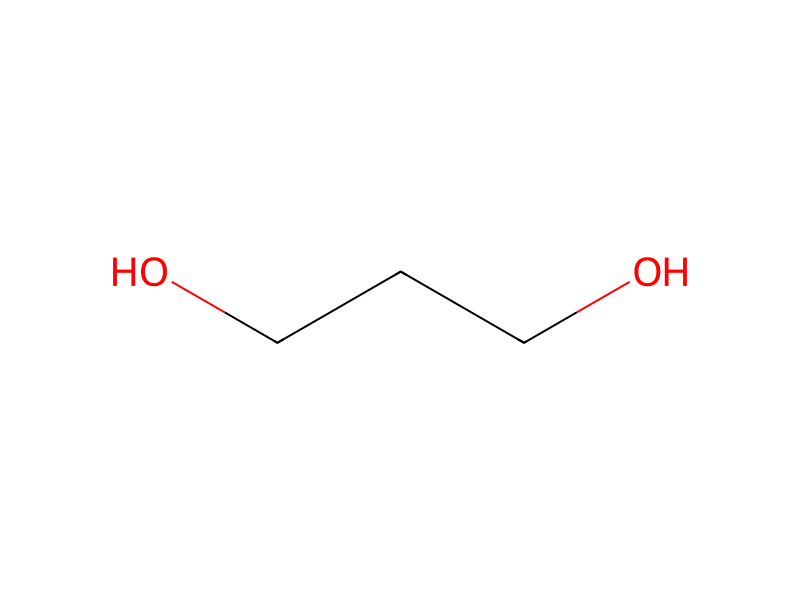
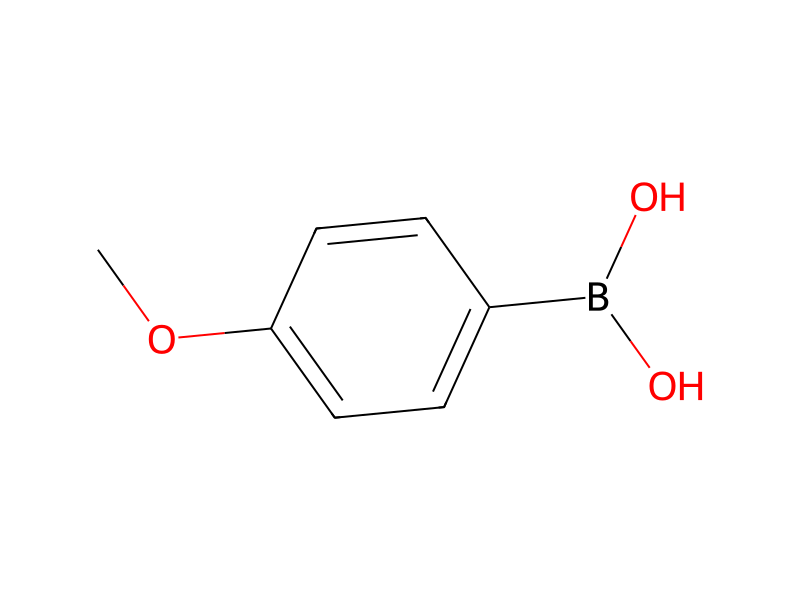
1,3-Propanediol → 6-Bromo-3-(4-methoxyphenyl)imidazo[1,2-a]pyridine
Reaction equation

C(O)CCO.[CH3:6][O:7][C:8]1[CH:13]=[CH:12][C:11](B(O)O)=[CH:10][CH:9]=1.[Br:17][C:18]1[CH:19]=[CH:20][C:21]2[N:22]([C:24](I)=[CH:25][N:26]=2)[CH:23]=1.P([O-])([O-])([O-])=O.[K+].[K+].[K+]>C(OCC)C.CN(C)C=O>[Br:17][C:18]1[CH:19]=[CH:20][C:21]2[N:22]([C:24]([C:11]3[CH:12]=[CH:13][C:8]([O:7][CH3:6])=[CH:9][CH:10]=3)=[CH:25][N:26]=2)[CH:23]=1Participants
7
Reactant 4


Product 1

Reagents, catalysts & solvents 2


Procedure
0.81 mL 1,3-propane diol was added to a suspension of 1.69 g 4-methoxyphenylboronic acid in 15 mL diethyl ether, and the mixture was stirred a room temperature for 1 hour. Formed water was removed, and the organic solvent was evaporated, whereby an oil was obtained. 2.7 g 6-bromo-3-iodoimidazo[1,2-a]pyridine (compound in Production Example 49), 3.5 g potassium phosphate, 483 mg tetrakistriphenyl phosphine palladium and 40 mL N,N-dimethylformamide were added thereto and heated at 90° C. for 3 hours under nitrogen atmosphere. Insolubles were filtered off, the solvent was removed, and the residue was purified by NH silica gel column chromatography (hexane/ethyl acetate) to give 2 g of the title compound as an oil.
Workup
- customFormed water was removed
- customthe organic solvent was evaporated
- customwhereby an oil was obtained
- temperatureheated at 90° C. for 3 hours under nitrogen atmosphere
- filtrationInsolubles were filtered off
- customthe solvent was removed
- customthe residue was purified by NH silica gel column chromatography (hexane/ethyl acetate)
Sources & evidence
- ORD record
- ord-bdd0da86c2d84590b4e49a37136c4830
- Source dataset
- uspto-grants-2006_07
- Patent number
- US07074801B1
Reaction notes
Loading…