Diethyl Carbonate → Diethyl 4-bromophenylmalonate
Reaction equation

[C:1](=[O:8])([O:5][CH2:6][CH3:7])OCC.[H-].[Na+].[Br:11][C:12]1[CH:17]=[CH:16][C:15]([CH2:18][C:19]([O:21][CH2:22][CH3:23])=[O:20])=[CH:14][CH:13]=1>C1C=CC=CC=1>[Br:11][C:12]1[CH:13]=[CH:14][C:15]([CH:18]([C:1]([O:5][CH2:6][CH3:7])=[O:8])[C:19]([O:21][CH2:22][CH3:23])=[O:20])=[CH:16][CH:17]=1Participants
5
Reactant 3
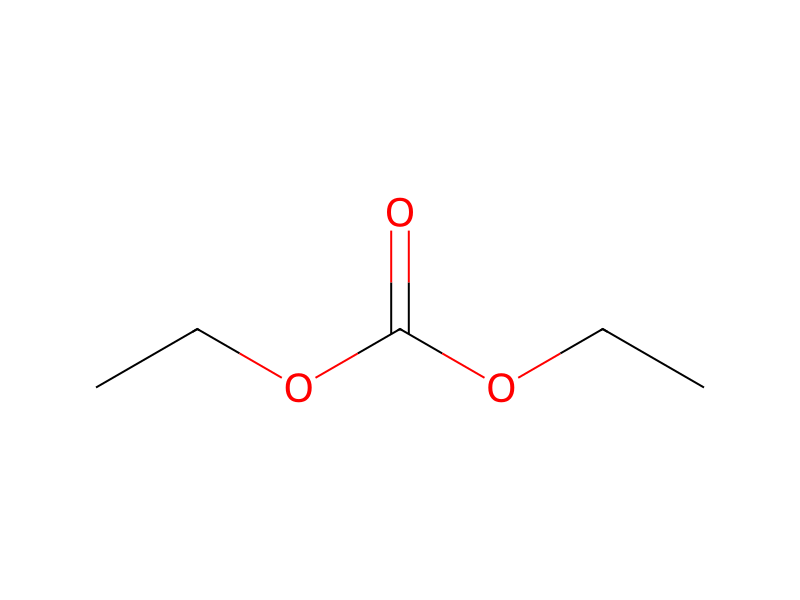


Product 1

Reagents, catalysts & solvents 1

Procedure
Under argon flow, 10.85 g of diethyl carbonate was dissolved in 60 ml of benzene, and 2.75 g of 60% sodium hydride was added and the mixture was heated to reflux. A solution of 5.58 g of ethyl 4-bromophenylacetate/20 ml of benzene was added dropwise to the solution over 1 hour, and the mixture was heated to reflux for 1 hour. After cooling, ice-cold water was added dropwise to the reaction solution slowly. The organic layer was separated, washed with water, dried over anhydrous magnesium sulfate and concentrated. The residue was purified by silica gel column chromatography (Wakogel® C-200, n-hexane:ethyl acetate=10:1) to provide 6.45 g of the objective compound as colorless oil.
Workup
- temperaturethe mixture was heated to reflux
- temperaturethe mixture was heated
- temperatureto reflux for 1 hour
- temperatureAfter cooling
- additionice-cold water was added dropwise to the reaction solution slowly
- customThe organic layer was separated
- washwashed with water
- dry with materialdried over anhydrous magnesium sulfate
- concentrationconcentrated
- customThe residue was purified by silica gel column chromatography (Wakogel® C-200, n-hexane:ethyl acetate=10:1)
Sources & evidence
- ORD record
- ord-377e67cd08dd4d46991b45835471e253
- Source dataset
- uspto-grants-2006_04
- Patent number
- US07030143B2
Reaction notes
Loading…