Citric Acid → 4-METHYLTETRAHYDRO-2H-PYRAN-4-CARBOXYLIC ACID
Reaction equation

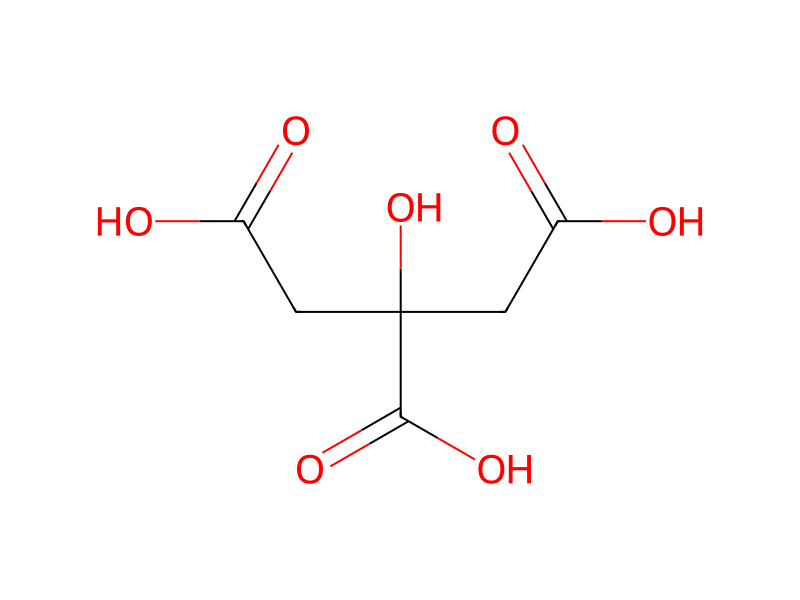
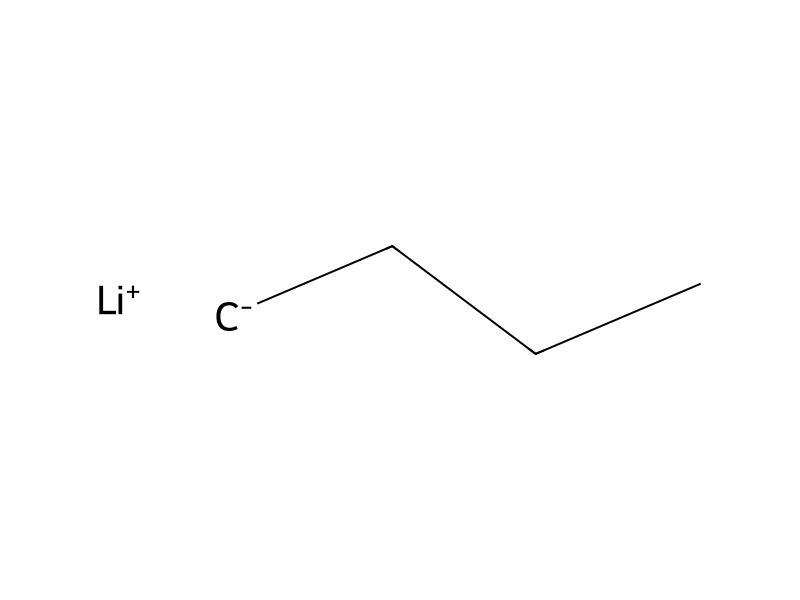
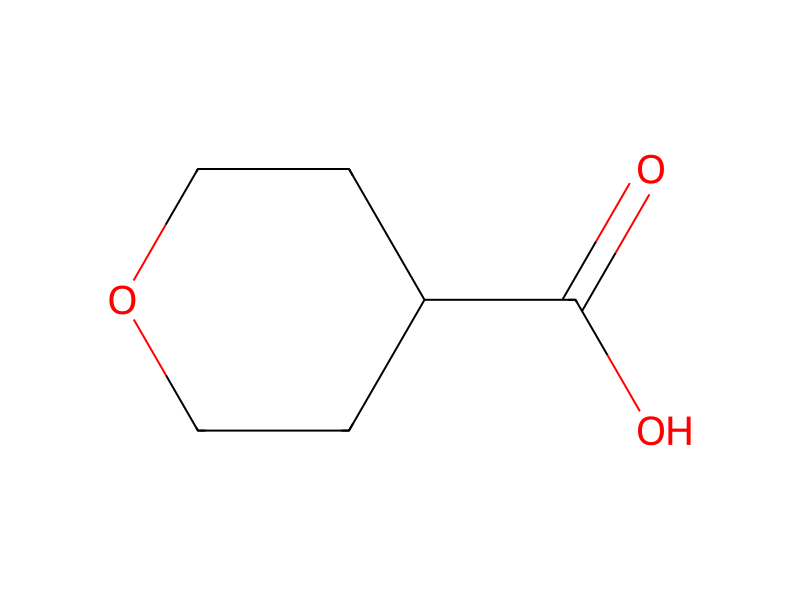
[CH:1](NC(C)C)(C)C.[Li+].CCC[CH2-].[O:13]1[CH2:18][CH2:17][CH:16]([C:19]([OH:21])=[O:20])[CH2:15][CH2:14]1.CI.C(O)(=O)CC(CC(O)=O)(C(O)=O)O>C1COCC1>[CH3:1][C:16]1([C:19]([OH:21])=[O:20])[CH2:17][CH2:18][O:13][CH2:14][CH2:15]1Participants




Conditions
- Temperature
- 0 °C
Procedure
Diisopropylamine (6.37 mL, 44.7 mmol) in THF (50 mL) was cooled to 0° C. under argon. N-Butyllithium (16.7 mL, 2.5 M in hexane, 41.7 mmol) was added dropwise over 10 min. The reaction mixture was left to stir for 15 min at 0° C. A solution of tetrahydro-2H-pyran-4-carboxylic acid (D8) (1.94 g, 14.9 mmol) in THF (10 mL) was added and a white precipitate was formed. The resulting mixture was then heated at 50° C. for 3 h. The reaction mixture was cooled to 0° C. and methyl iodide (2.80 mL, 44.7 mmol) was added dropwise. The reaction was then allowed to warm to rt and left to stir overnight. 10% aqueous citric acid solution (40 mL) was then added and the THF was removed by rotary evaporation. The residual aqueous mixture was extracted with Et2O (2×). The organics were combined, dried (Na2SO4) and concentrated by rotary evaporation to give the title compound (D9) (1.26 g, 53%) as a yellow solid.
Workup
- waitThe reaction mixture was left
- customa white precipitate was formed
- temperatureThe resulting mixture was then heated at 50° C. for 3 h
- temperatureThe reaction mixture was cooled to 0° C.
- temperatureto warm to rt
- waitleft
- stirringto stir overnight
- customthe THF was removed by rotary evaporation
- extractionThe residual aqueous mixture was extracted with Et2O (2×)
- dry with materialdried (Na2SO4)
- concentrationconcentrated by rotary evaporation
Sources & evidence
- ORD record
- ord-f8b3c1cc98a8430d9597bc2e7e6376d7
- Source dataset
- uspto-grants-2013_01
- Patent number
- US08344000B2
Reaction notes
Loading…