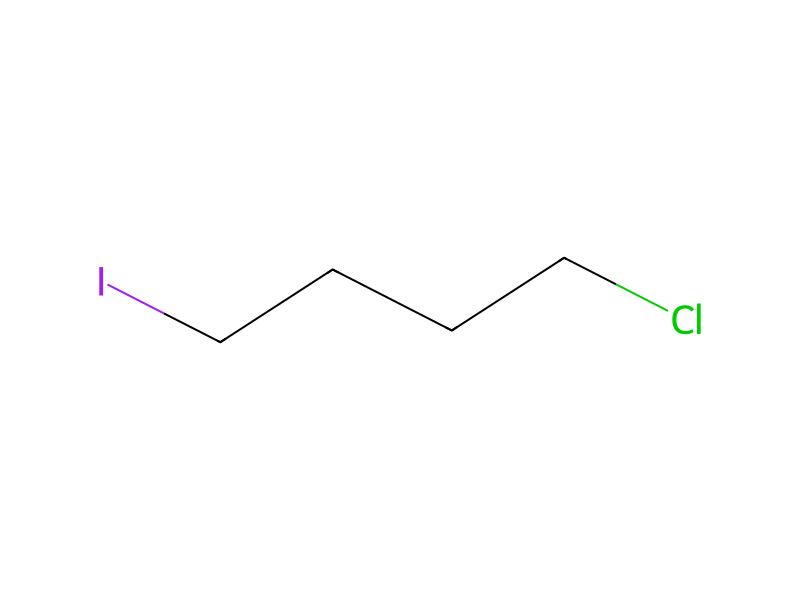
1-Chloro-4-iodobutane → HCID 66858237, compound
Reaction equation

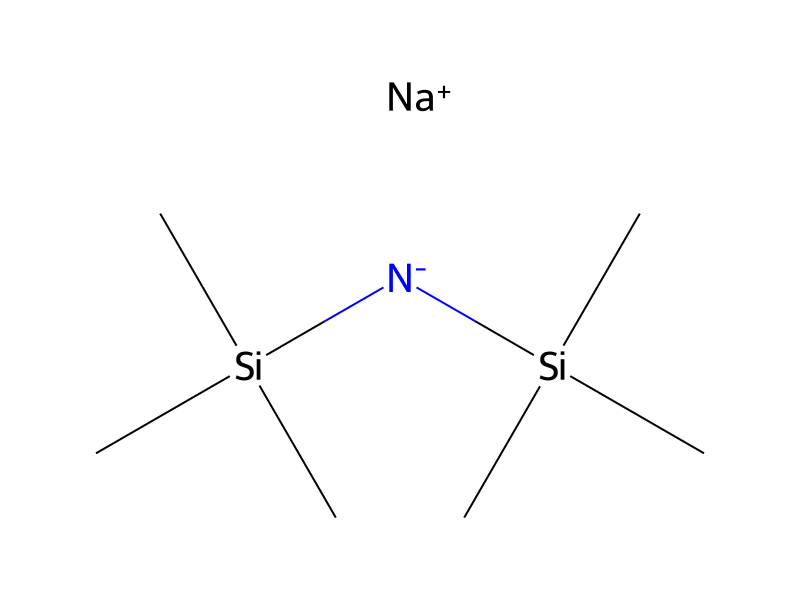
[Cl:1][C:2]1[CH:3]=[N:4][N:5]([CH2:7][C:8]([OH:10])=[O:9])[CH:6]=1.C[Si]([N-][Si](C)(C)C)(C)C.[Na+].[Cl:21][CH2:22][CH2:23][CH2:24][CH2:25]I>CCOC(C)=O>[Cl:21][CH2:22][CH2:23][CH2:24][CH2:25][CH:7]([N:5]1[CH:6]=[C:2]([Cl:1])[CH:3]=[N:4]1)[C:8]([OH:10])=[O:9]Participants
5
Reactant 3

Product 1

Reagents, catalysts & solvents 1

Procedure
Step AK (1): 2-(4-Chloro-1H-pyrazol-1-yl)acetic acid (2.5 g, 15.57 mmol) was deprotonated with NaHMDS (1.0 M in THF, 31.0 mL, 31.0 mmol) and reacted with 1-chloro-4-iodobutane (1.91 mL, 15.6 mmol) using a procedure analogous to Step AC (1) to afford, after silica gel column chromatography (10-75% EtOAc/heanes), 6-chloro-2-(4-chloro-1H-pyrazol-1-yl)hexanoic acid (2.2 g, 56% yield). LC-MS (M−H)− 249.1.
Workup
- customto afford
Sources & evidence
- ORD record
- ord-3de9d00a4191444c8f285175baa98470
- Source dataset
- uspto-grants-2013_01
- Patent number
- US08349880B2
Reaction notes
Loading…