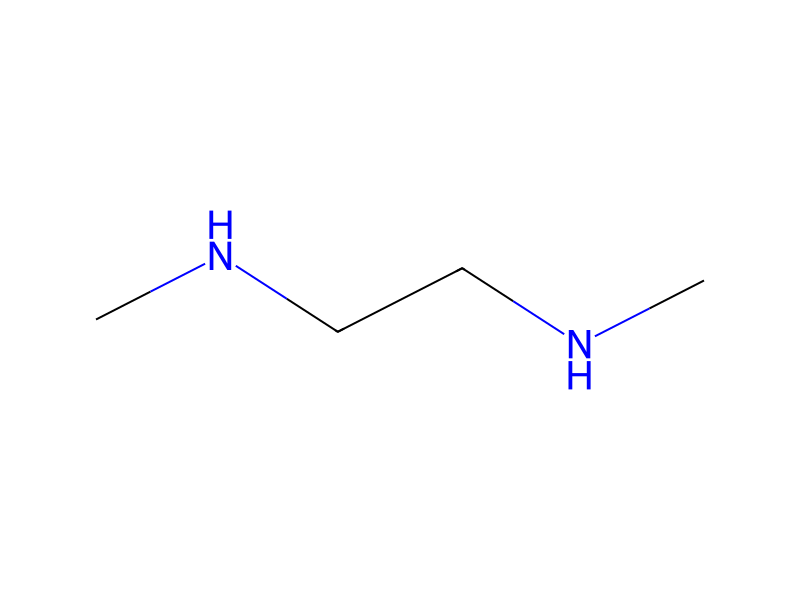
N,N'-Dimethylethylenediamine → (R)-4-(4-isopropyl-2-oxooxazolidin-3-yl)benzoic acid
Reaction equation

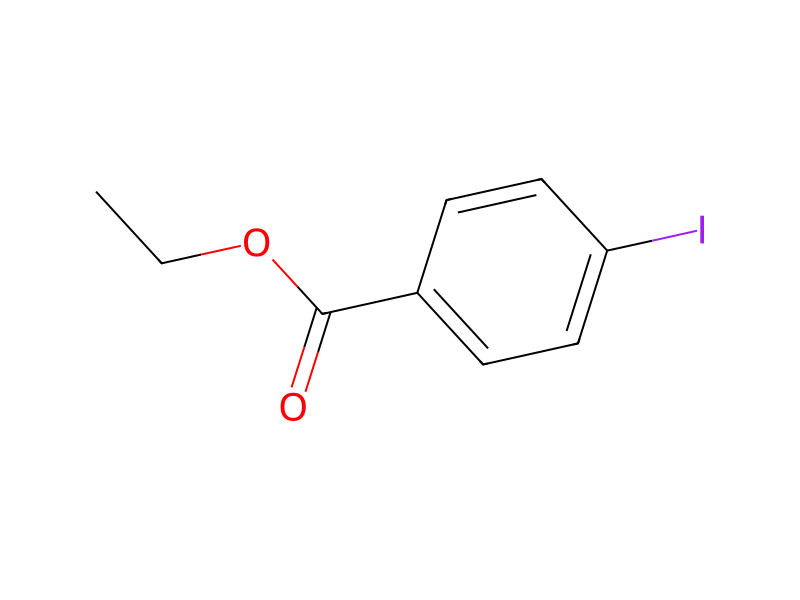
I[C:2]1[CH:12]=[CH:11][C:5]([C:6]([O:8]CC)=[O:7])=[CH:4][CH:3]=1.[CH:13]([C@@H:16]1[CH2:20][O:19][C:18](=[O:21])[NH:17]1)([CH3:15])[CH3:14].C(=O)([O-])[O-].[K+].[K+].CNCCNC>[Cu]I.O.C1(C)C=CC=CC=1>[CH:13]([C@@H:16]1[CH2:20][O:19][C:18](=[O:21])[N:17]1[C:2]1[CH:3]=[CH:4][C:5]([C:6]([OH:8])=[O:7])=[CH:11][CH:12]=1)([CH3:15])[CH3:14]Participants
8
Reactant 4


Product 1

Reagents, catalysts & solvents 3



Procedure
To a mixture of ethyl 4-iodobenzoate (5.8 mL), (R)-4-isopropyloxazolidin-2-one (5 g), potassium carbonate (15 g) and copper (I) iodide (1.3 g) were added toluene (35 mL) and N,N′-dimethylethylenediamine (1.5 mL), and the mixture was refluxed for 8 hr. After cooling, water was added to the reaction mixture, and the mixture was extracted with ethyl acetate. The organic layer was washed with saturated brine, and the solvent was evaporated. The residue was dissolved in methanol (35 mL) and 1,4-dioxane (35 mL), 1N aqueous sodium hydroxide solution (70 mL) was added, and the mixture was stirred at room temperature overnight. 1N hydrochloric acid (70 mL) was added, and the mixture was filtered to give the title compound (9 g).
Workup
- temperaturethe mixture was refluxed for 8 hr
- temperatureAfter cooling
- extractionthe mixture was extracted with ethyl acetate
- washThe organic layer was washed with saturated brine
- customthe solvent was evaporated
- dissolutionThe residue was dissolved in methanol (35 mL)
- addition1,4-dioxane (35 mL), 1N aqueous sodium hydroxide solution (70 mL) was added
- addition1N hydrochloric acid (70 mL) was added
- filtrationthe mixture was filtered
Sources & evidence
- ORD record
- ord-f5398e1ee5cf435aa37bb8416d37a96d
- Source dataset
- uspto-grants-2013_01
- Patent number
- US08354401B2
Reaction notes
Loading…