3,4-dihydro-2H-pyran → HCID 25268844, compound
Reaction equation

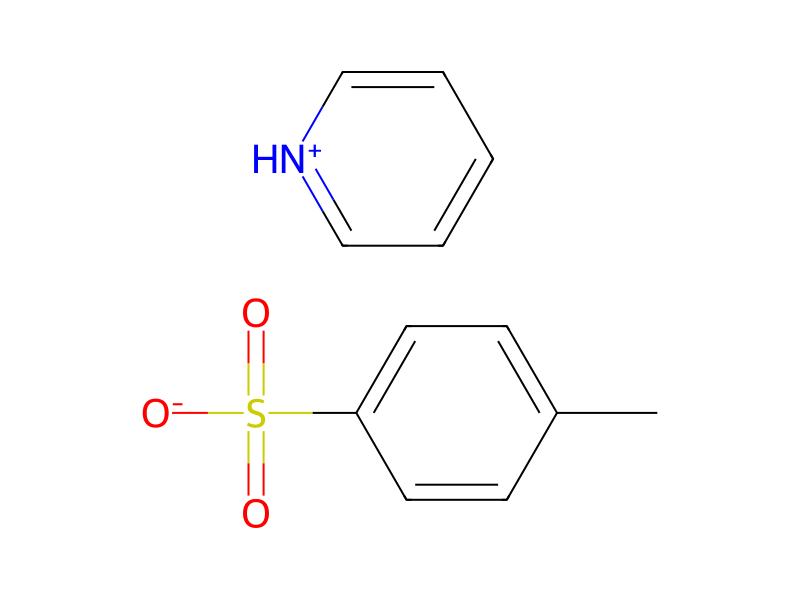
[N].N1C2C(=CC=CC=2)C=N1.[Cl:11][C:12]1[CH:20]=[CH:19][CH:18]=[C:17]2[C:13]=1[CH:14]=[N:15][NH:16]2.[O:21]1[CH:26]=[CH:25][CH2:24][CH2:23][CH2:22]1.C1(C)C=CC(S([O-])(=O)=O)=CC=1.[NH+]1C=CC=CC=1>ClCCl>[Cl:11][C:12]1[C:13]2[C:17]([CH:18]=[CH:19][CH:20]=1)=[N:16][N:15]([CH:22]1[CH2:23][CH2:24][CH2:25][CH2:26][O:21]1)[CH:14]=2Participants





Procedure
Scheme 3 shows the synthesis of 2-(tetrahydro-2H-pyran-2-yl)-4-(4,4,5,5-tetramethyl-1,3,2-dioxaborolan-2-yl)-2H-indazole 10 starting by cyclization of 3-chloro-2-methylaniline 11 with potassium acetate, acetic anhydride, and isoamyl nitrite to yield 4-chloro-1H-indazole 12. The indazole nitrogen of 4-chloro-1H-indazole 12 was protected as tetrahydropyranyl (THP) with 3,4-dihydro-2H-pyran, and pyridinium p-toluenesulfonate in dichloromethane to yield 4-chloro-2-(tetrahydro-2H-pyran-2-yl)-2H-indazole 13 and a minor amount (about 10%) of the THP regioisomer, 4-chloro-1-(tetrahydro-2H-pyran-2-yl)-1H-indazole. The mixture was reacted with PdCl2(PPh3)2, tricyclohexylphosphine, bis(pinacolato)diboron, and potassium acetate in DMSO and heated to 130° C. for 16 hours to give 10, containing a minor amount (about 10%) of the THP regioisomer, 1-(tetrahydro-2H-pyran-2-yl)-4-(4,4,5,5-tetramethyl-1,3,2-dioxaborolan-2-yl)-1H-indazole.
Sources & evidence
- ORD record
- ord-31ea83f607a94fb79ff3db290fb2534a
- Source dataset
- uspto-grants-2013_01
- Patent number
- US08354528B2
Reaction notes
Loading…