Potassium Carbonate → 1-(4-Methoxybenzyl)-4-nitro-1H-pyrazole
Reaction equation

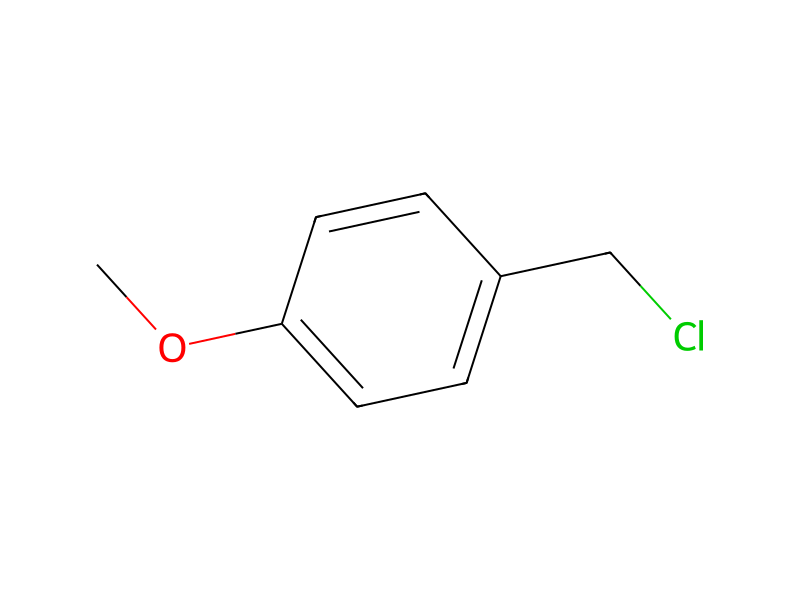
[N+:1]([C:4]1[CH:5]=[N:6][NH:7][CH:8]=1)([O-:3])=[O:2].C(=O)([O-])[O-].[K+].[K+].[CH3:15][O:16][C:17]1[CH:24]=[CH:23][C:20]([CH2:21]Cl)=[CH:19][CH:18]=1>CN(C=O)C.C(Cl)Cl>[CH3:15][O:16][C:17]1[CH:24]=[CH:23][C:20]([CH2:21][N:6]2[CH:5]=[C:4]([N+:1]([O-:3])=[O:2])[CH:8]=[N:7]2)=[CH:19][CH:18]=1Participants
6





Procedure
A solution of 4-nitro-1H-pyrazole (500 mg, 4.42 mmol; Bionet Research, Cornwall, UK) in DMF (5 mL) was treated with potassium carbonate (400 μL, 6.63 mmol) and 4-methoxybenzyl chloride (600 μL, 4.42 mmol). The reaction was stirred at room temperature for 2 h, then diluted with DCM (200 mL) and washed with water (4×40 mL). The organic layer was then dried (MgSO4), filtered and concentrated in vacuo to give the crude product, which was used in the next step without further purification.
Workup
- washwashed with water (4×40 mL)
- dry with materialThe organic layer was then dried (MgSO4)
- filtrationfiltered
- concentrationconcentrated in vacuo
Sources & evidence
- ORD record
- ord-6f11344a013b4889ba4f47204d62fe4c
- Source dataset
- uspto-grants-2013_01
- Patent number
- US08362241B2
Reaction notes
Loading…