Pyridine → HCID 20772337, compound
Reaction equation

[CH3:1][O:2][C:3](=[O:15])[NH:4][CH:5]1[CH2:13][C:12]2[C:7](=[CH:8][CH:9]=[CH:10][CH:11]=2)[CH:6]1[OH:14].N[C@H:17]([C:25](O)=[O:26])CC1C=CC=CC=1.N1C=CC=CC=1.C(Cl)(=O)C>C(Cl)Cl>[CH3:1][O:2][C:3](=[O:15])[NH:4][CH:5]1[CH2:13][C:12]2[C:7](=[CH:8][CH:9]=[CH:10][CH:11]=2)[CH:6]1[O:14][C:25](=[O:26])[CH3:17]Participants
6
Reactant 4

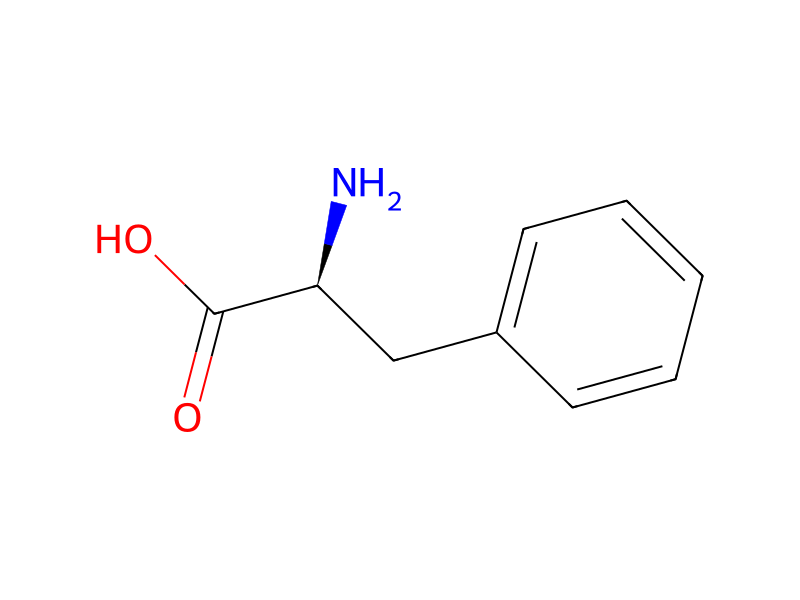


Product 1

Reagents, catalysts & solvents 1

Conditions
- Temperature
- 0 °C
Procedure
The alcohol, (1-hydroxy-indan-2-yl)-carbamic acid methyl ester (1S-trans) prepared from L-phenylalanine (18.7 g, 0.09 mol) (J. Org. Chem. 1983, 48, 2675-2679) is suspended in methylene chloride and cooled to 0° C. Pyridine (10.7 g, 0.135 mol) is added followed by acetyl chloride (10.5 g, 0.135 mol). The mixture is stirred for 1 h, and then washed with sodium bicarbonate, 1N HCl and saturated sodium chloride. The organic layer is dried over Na2SO4, filtered and evaporated under reduced pressure to give (1-acetyloxy-indan-2-yl)-carbamic acid methyl ester (1S-trans).
Workup
- washwashed with sodium bicarbonate, 1N HCl and saturated sodium chloride
- dry with materialThe organic layer is dried over Na2SO4
- filtrationfiltered
- customevaporated under reduced pressure
Sources & evidence
- ORD record
- ord-73f024b25d364e2389fcb26b9a28a8bd
- Source dataset
- uspto-grants-2005_04
- Patent number
- US06878707B2
Reaction notes
Loading…