Hydrogen Peroxide → Fipronil
Reaction equation

FC(F)(F)C(O)=O.NC1N(C2C(Cl)=CC(C(F)(F)F)=CC=2Cl)N=C(C#N)C=1SC(F)(F)F.OO.[NH2:35][C:36]1[N:40]([C:41]2[C:46]([Cl:47])=[CH:45][C:44]([C:48]([F:51])([F:50])[F:49])=[CH:43][C:42]=2[Cl:52])[N:39]=[C:38]([C:53]#[N:54])[C:37]=1[S:55]([C:58]([F:61])([F:60])[F:59])(=O)=[O:56].S(=O)=O>B(O)(O)O.ClC1C=CC=CC=1>[NH2:35][C:36]1[N:40]([C:41]2[C:42]([Cl:52])=[CH:43][C:44]([C:48]([F:49])([F:50])[F:51])=[CH:45][C:46]=2[Cl:47])[N:39]=[C:38]([C:53]#[N:54])[C:37]=1[S:55]([C:58]([F:59])([F:61])[F:60])=[O:56]Participants




Conditions
- Temperature
- 12 °C
Procedure
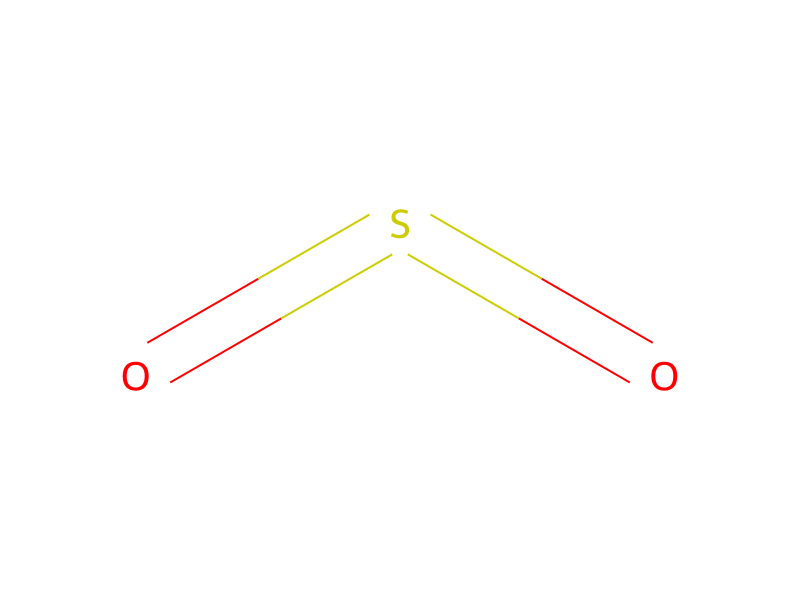
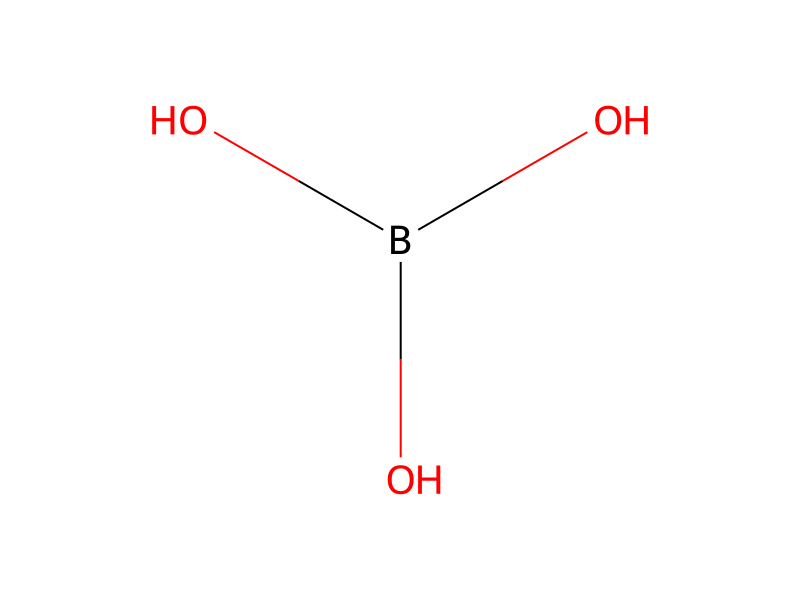
Trifluoroacetic acid (1660 g, 14.5 mol) was added to a stirred solution of 5-amino-1-(2,6-dichloro-4-trifluoromethylphenyl)-3-cyano-4-trifluoromethylthiopyrazole (436 g, 1.03 mol) and boric acid (5 g, 0.08 mol) in a glass reactor at 12° C. Hydrogen peroxide (131.5 g of 35% w/w, 1.35 mol) was added over 2 hours while maintaining the temperature at 12° C., and the mixture kept at this temperature for a further 4-5 hours. When the transformation had reached 97-98%, or the amount of unwanted 5-amino-1-(2,6-dichloro-4-trifluoromethylphenyl)-3-cyano-4-trifluoromethylsulfonylpyrazole reached 2% (as judged by HPLC analysis), sulfur dioxide was added to quench any remaining hydrogen peroxide, and the mixture maintained at 10-18° C. for 0.5 hour. Chlorobenzene (370 g) was added and the mixture placed under reduced pressure (from 0.17 to 0.04 atmosphere) and heated to 47-50° C. with azeotropic distillation. A homogeneous fraction containing recovered trifluoroacetic acid was obtained. During the distillation additional chlorobenzene (1625 g) was added continuously in order to maintain a constant volume. At the end of the azeotropic distillation the reactor contents were maintained at 47-50° C. under reduced pressure (0.04 atmosphere), and a homogeneous fraction of chlorobenzene distilled. After release of the vacuum, the reactor was heated to 40° C., ethanol (207 g) and chlorobenzene (235 g) added, and the mixture heated to 80° C. with stirring to give a solution. On cooling to 40° C. the product crystallized. The reactor was placed under progressively reduced pressure (from 0.13 to 0.03 atmosphere) and the ethanol distilled at 40° C. The vacuum was released and the mixture cooled to 5° C. during 3.5 hours and left for a further 0.5 hour. The product was filtered off, washed with cold chlorobenzene, then with cold aqueous ethanol, then with water, and dried in vacuo at 135° C. to give the title compound (407.5 g), in a typical yield of 89% and purity of 95.5%.
Workup
- additionwas added
- customto quench any remaining hydrogen peroxide
- temperaturethe mixture maintained at 10-18° C. for 0.5 hour
- additionChlorobenzene (370 g) was added
- temperatureheated to 47-50° C. with azeotropic distillation
- additionA homogeneous fraction containing
- customrecovered trifluoroacetic acid
- customwas obtained
- temperatureto maintain a constant volume
- distillationAt the end of the azeotropic distillation the reactor contents
- temperaturewere maintained at 47-50° C. under reduced pressure (0.04 atmosphere)
- distillationa homogeneous fraction of chlorobenzene distilled
- temperatureAfter release of the vacuum, the reactor was heated to 40° C.
- additionethanol (207 g) and chlorobenzene (235 g) added
- temperaturethe mixture heated to 80° C.
- customto give a solution
- temperatureOn cooling to 40° C. the product
- customcrystallized
- distillationthe ethanol distilled at 40° C
- temperaturethe mixture cooled to 5° C. during 3.5 hours
- waitleft for a further 0.5 hour
- filtrationThe product was filtered off
- washwashed with cold chlorobenzene
- dry with materialwith cold aqueous ethanol, then with water, and dried in vacuo at 135° C.
Sources & evidence
- ORD record
- ord-39209c2d330e453e9134f0eb63511775
- Source dataset
- uspto-grants-2005_04
- Patent number
- US06881848B2
Reaction notes
Loading…