Trifluoroacetic acid → 2-(2-Pyrazinyl)aniline
Reaction equation

[N:1]1[CH:6]=[CH:5][N:4]=[CH:3][C:2]=1[C:7]1[CH:12]=[CH:11][CH:10]=[CH:9][C:8]=1[NH:13]C(=O)OC(C)(C)C.C1(OC)C=CC=CC=1.FC(F)(F)C(O)=O>ClCCl>[N:1]1[CH:6]=[CH:5][N:4]=[CH:3][C:2]=1[C:7]1[CH:12]=[CH:11][CH:10]=[CH:9][C:8]=1[NH2:13]Participants
5
Reactant 3

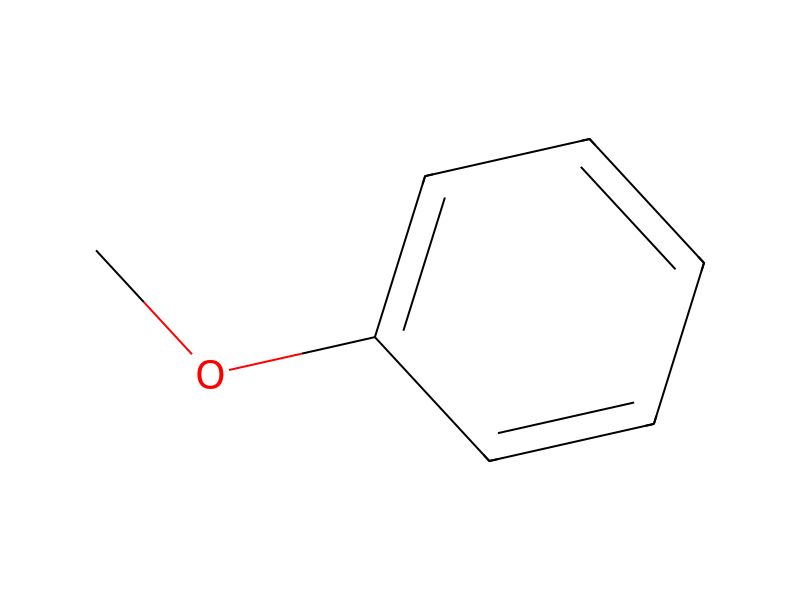

Product 1

Reagents, catalysts & solvents 1

Procedure
To tert-butyl 2-(2-pyrazinyl)phenylcarbamate (0.62 g, 2.29 mmol), dichloromethane (10 mL), and anisole (1 mL) was added trifluoroacetic acid (10 mL). The reaction mixture was stirred at room temperature under a nitrogen atmosphere for 4 h and allowed to stand at room temperature overnight. The reaction mixture was concentrated in vacuo to give 0.41 g of 2-(2-pyrazinyl)aniline, which was coupled with CMI (0.20 g, 1.3 mmol), under conditions described in the general procedure for CMI couplings, to give 0.022 g of N-(4,5-dihydro-1H-imidazol-2-ylmethyl)-2-(2-pyrazinyl)aniline.
Workup
- waitto stand at room temperature overnight
- concentrationThe reaction mixture was concentrated in vacuo
Sources & evidence
- ORD record
- ord-e7ee31c679e040fda62ca9f4dc84f780
- Source dataset
- uspto-grants-2005_04
- Patent number
- US06884801B1
Reaction notes
Loading…