3-Bromocyclohexene → HCID 22494651, compound
Reaction equation

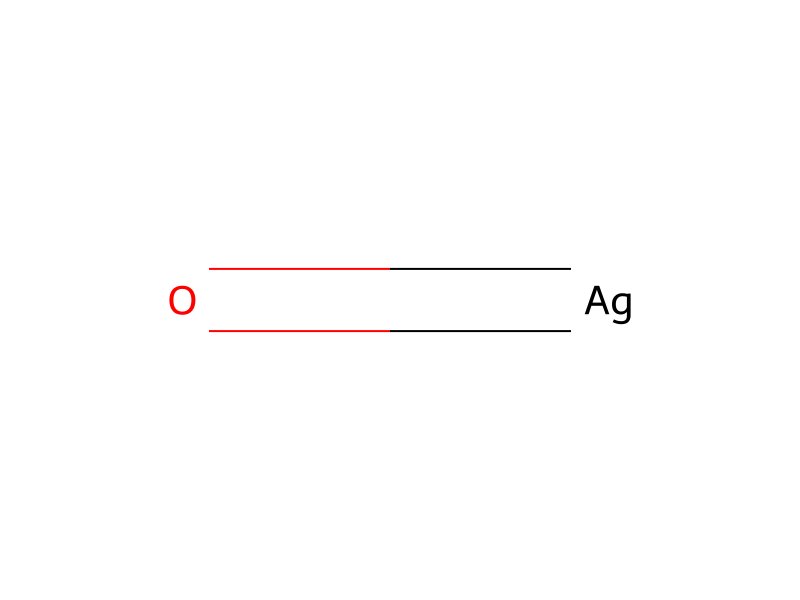
[OH:1][CH:2]1[CH2:7][CH2:6][N:5]([C:8]([O:10][CH2:11][C:12]2[CH:17]=[CH:16][CH:15]=[CH:14][CH:13]=2)=[O:9])[CH2:4][CH2:3]1.Br[CH:19]1[CH2:24][CH2:23][CH2:22][CH:21]=[CH:20]1>C1COCC1.[Ag]=O>[CH:24]1([O:1][CH:2]2[CH2:3][CH2:4][N:5]([C:8]([O:10][CH2:11][C:12]3[CH:17]=[CH:16][CH:15]=[CH:14][CH:13]=3)=[O:9])[CH2:6][CH2:7]2)[CH2:23][CH2:22][CH2:21][CH:20]=[CH:19]1Participants
5
Reactant 2


Product 1

Reagents, catalysts & solvents 2

Procedure
To a solution of 4-hydroxy-N-(benzyloxycarbonyl)piperidine (5.0 g) in THF (50 ml) were added 3-bromocyclohexene (3.67 ml) and silver oxide (7.4 g). The mixture was stirred at ambient temperature overnight. To the solution were added 3-bromocyclohexene (4.0 ml) and silver oxide (5.0 g), and the mixture was stirred at 40° C. for 6 hours. The reaction mixture was filtered, and the filtrate was evaporated in vacuo. The resulting residue was chromatographed on silica gel (300 ml) eluting with a mixture of n-hexane and ethyl acetate (5:1 v/v). The fractions containing the desired compound were collected and evaporated under reduced pressure to give 4-(2-cyclohexenyloxy)-N-(benzyloxycarbonyl)piperidine (3.83 g).
Workup
- stirringthe mixture was stirred at 40° C. for 6 hours
- filtrationThe reaction mixture was filtered
- customthe filtrate was evaporated in vacuo
- customThe resulting residue was chromatographed on silica gel (300 ml)
- washeluting with a mixture of n-hexane and ethyl acetate (5:1 v/v)
- additionThe fractions containing the desired compound
- customwere collected
- customevaporated under reduced pressure
Sources & evidence
- ORD record
- ord-1cb36864850c4a7d959f65e4dc44591b
- Source dataset
- uspto-grants-2005_04
- Patent number
- US06884868B1
Reaction notes
Loading…