Hydrochloric Acid → 4-[3-(2-fluorophenyl)-2,2-dioxido-2,1,3-benzothiadiazol-1(3H)-yl]-N-methylbut-2-yn-1-amine hydrochloride
Reaction equation

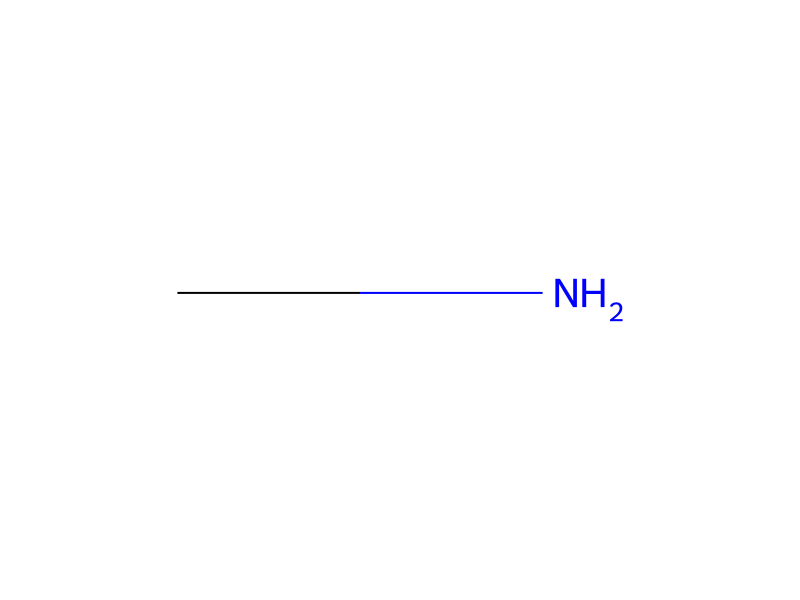
CS(O[CH2:6][C:7]#[C:8][CH2:9][N:10]1[C:14]2[CH:15]=[CH:16][CH:17]=[CH:18][C:13]=2[N:12]([C:19]2[CH:24]=[CH:23][CH:22]=[CH:21][C:20]=2[F:25])[S:11]1(=[O:27])=[O:26])(=O)=O.[CH3:28][NH2:29].[ClH:30]>>[ClH:30].[F:25][C:20]1[CH:21]=[CH:22][CH:23]=[CH:24][C:19]=1[N:12]1[C:13]2[CH:18]=[CH:17][CH:16]=[CH:15][C:14]=2[N:10]([CH2:9][C:8]#[C:7][CH2:6][NH:29][CH3:28])[S:11]1(=[O:27])=[O:26]Participants
4



Procedure
In an analogous manner to general procedure V, 4-[3-(2-fluorophenyl)-2,2-dioxido-2,1,3-benzothiadiazol-1(3H)-yl]but-2-yn-1-yl methanesulfonate (0.25 g, 0.60 mmol) was treated with methyl amine to give 4-[3-(2-fluorophenyl)-2,2-dioxido-2,1,3-benzothiadiazol-1(3H)-yl]-N-methylbut-2-yn-1-amine hydrochloride (78 mg) after treatment with HCl.
Sources & evidence
- ORD record
- ord-a417ceecd8ed4121890cf7b8b76e44ac
- Source dataset
- uspto-grants-2009_10
- Patent number
- US07601722B2
Reaction notes
Loading…