Neopentyl glycol → 2-(4-Bromophenyl)-5,5-dimethyl-1,3-dioxane
Reaction equation

[Br:1][C:2]1[CH:9]=[CH:8][C:5]([CH:6]=[O:7])=[CH:4][CH:3]=1.[OH:10][CH2:11][C:12]([CH3:16])([CH2:14]O)[CH3:13]>C1C=CC=CC=1.C1(C)C=CC(S(O)(=O)=O)=CC=1>[Br:1][C:2]1[CH:9]=[CH:8][C:5]([CH:6]2[O:10][CH2:11][C:12]([CH3:16])([CH3:14])[CH2:13][O:7]2)=[CH:4][CH:3]=1Participants
5
Reactant 2

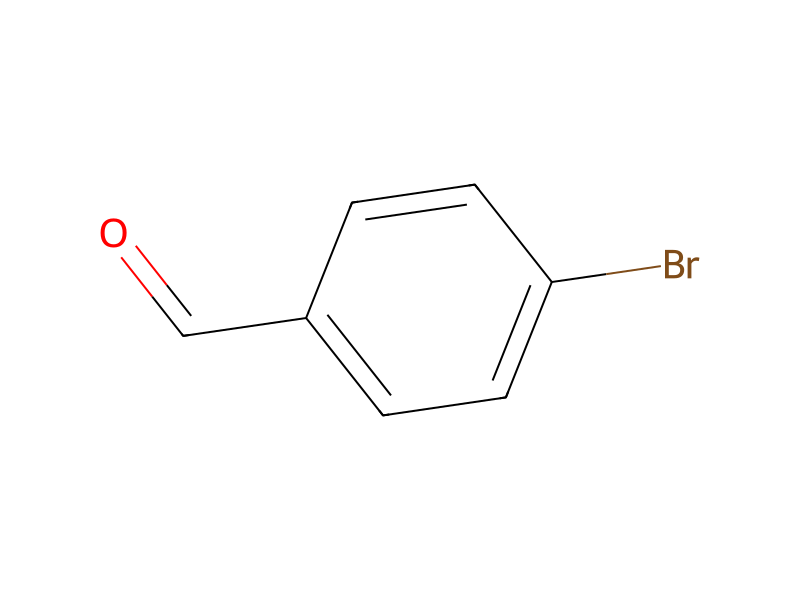
Product 1

Reagents, catalysts & solvents 2


Procedure
A mixture of 4-bromobenzaldehyde (100 g, 0.54 mole), neopentyl glycol (115 g, 1.10 mole), and p-toluenesulfonic acid (800 mg, 4 mmole) in benzene (800 mL) was heated to reflux using a Dean Stark apparatus for 16h. The reaction mixture was cooled to room temperature and most of the benzene was removed. The residue was partitioned between ethyl acetate (500 mL) and cold water (150 mL). The organic phase was washed with water (2×150 mL) and brine (1×150 mL), then dried (Na2SO4) and concentrated to give the desired product (136 g, 93%).
Workup
- temperaturewas heated
- temperatureto reflux
- customfor 16h
- customwas removed
- customThe residue was partitioned between ethyl acetate (500 mL) and cold water (150 mL)
- washThe organic phase was washed with water (2×150 mL) and brine (1×150 mL)
- dry with materialdried (Na2SO4)
- concentrationconcentrated
Sources & evidence
- ORD record
- ord-c4e7b5832ca3412f800b6b678a48024d
- Source dataset
- uspto-grants-2009_10
- Patent number
- US07605175B2
Reaction notes
Loading…