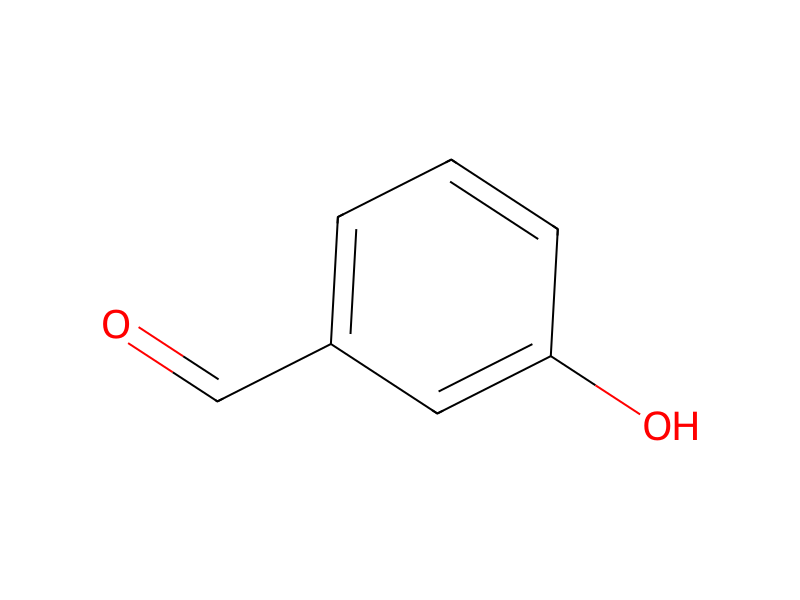
3-Hydroxybenzaldehyde → 3-(2-(5-Methyl-2-phenyloxazol-4-yl)ethoxy)benzaldehyde
Reaction equation

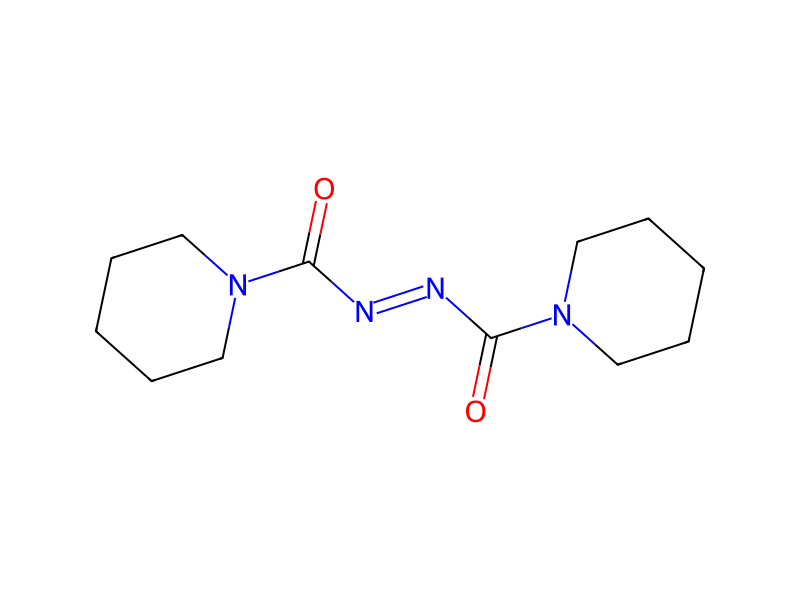
[CH3:1][C:2]1[O:6][C:5]([C:7]2[CH:12]=[CH:11][CH:10]=[CH:9][CH:8]=2)=[N:4][C:3]=1[CH2:13][CH2:14][OH:15].O[C:17]1[CH:18]=[C:19]([CH:22]=[CH:23][CH:24]=1)[CH:20]=[O:21].C1(P(C2C=CC=CC=2)C2C=CC=CC=2)C=CC=CC=1.N(C(N1CCCCC1)=O)=NC(N1CCCCC1)=O>ClCCl.CCCCCC>[CH3:1][C:2]1[O:6][C:5]([C:7]2[CH:12]=[CH:11][CH:10]=[CH:9][CH:8]=2)=[N:4][C:3]=1[CH2:13][CH2:14][O:15][C:17]1[CH:18]=[C:19]([CH:22]=[CH:23][CH:24]=1)[CH:20]=[O:21]Participants
7
Reactant 4


Product 1

Reagents, catalysts & solvents 2


Procedure
2-(5-methyl-2-phenyloxazol-4-yl)ethanol (1.02 g), 3-hydroxybenzaldehyde (0.73 g) and triphenylphosphine (1.57 g) were dissolved in dichloromethane (10 ml) and thereto was added 1, 1′-(azodicarbonyl)dipiperidine (1.74 g) at 0° C. and the mixture was stirred at room temperature for 2 hours. To the reaction mixture was added hexane and the solid was filtered off. The filtrate was concentrated. The residue was purified by column chromatography on silica gel (methanol:chloroform=1:100) to give the title compound (1.30 g) having the following physical data.
Workup
- filtrationthe solid was filtered off
- concentrationThe filtrate was concentrated
- customThe residue was purified by column chromatography on silica gel (methanol:chloroform=1:100)
Sources & evidence
- ORD record
- ord-0c7961cd7b67444e8947ce2e88d13b4a
- Source dataset
- uspto-grants-2006_05
- Patent number
- US07037914B2
Reaction notes
Loading…