Dichloromethane → 1-Bromo-6,7-dimethoxyisoquinoline-4-carbonitrile
Reaction equation

[CH3:1][O:2][C:3]1[CH:4]=[C:5]2[C:10](=[CH:11][C:12]=1[O:13][CH3:14])[C:9](=O)[NH:8][CH:7]=[C:6]2[C:16]#[N:17].P(Br)(Br)([Br:20])=O.C(Cl)Cl>C1(OC)C=CC=CC=1>[Br:20][C:9]1[C:10]2[C:5](=[CH:4][C:3]([O:2][CH3:1])=[C:12]([O:13][CH3:14])[CH:11]=2)[C:6]([C:16]#[N:17])=[CH:7][N:8]=1Participants

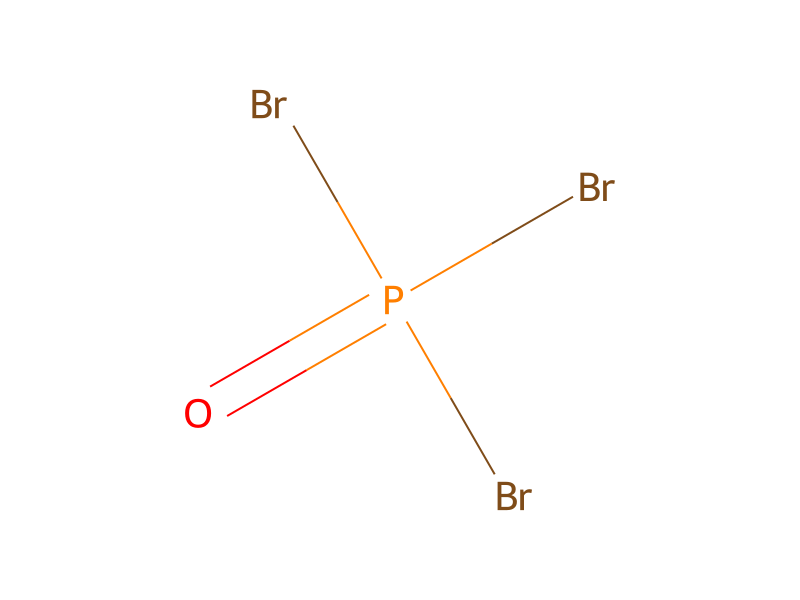


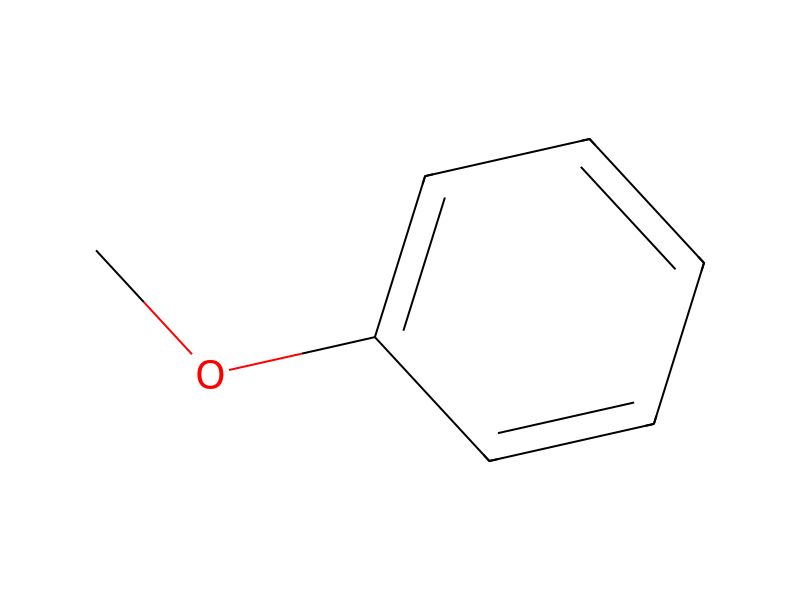
Conditions
- Temperature
- 80 °C
Procedure
The mixture of 6,7-dimethoxy-1-oxo-1,2-dihydro-isoquinoline-4-carbonitrile (8 g, 35 mmol) and phosphorus oxybromide (70 g, 244 mmol) in anisole (30 mL) was heated to 80° C. for 12 h. The solvent and excess POBr3 were removed by rotary evaporator. The resulting solid was washed with hexane and dried. The solid was slowly added to ice and the product was extracted with chloroform. The organic layer was washed with saturated aqueous sodium carbonate solution, saturated aqueous sodium chloride solution (20 mL), dried over magnesium sulfate, filtered and concentrated in vacuo to afford a brown solid. Flash chromatography (Merck Silica gel 60, 70–230 mesh, methylenechloride) afforded 1-bromo-6,7-dimethoxy-isoquinoline-4-carbonitrile (7.5 g, 75%) as a brown solid. LC-MS m/e calcd for C12H9BrN2O2 (MH+) 293. found 293.
Workup
- customThe solvent and excess POBr3 were removed by rotary evaporator
- washThe resulting solid was washed with hexane
- customdried
- additionThe solid was slowly added to ice
- extractionthe product was extracted with chloroform
- washThe organic layer was washed with saturated aqueous sodium carbonate solution, saturated aqueous sodium chloride solution (20 mL)
- dry with materialdried over magnesium sulfate
- filtrationfiltered
- concentrationconcentrated in vacuo
- customto afford a brown solid
Sources & evidence
- ORD record
- ord-c8df8ddeb91f4a9a865268fe78e05b12
- Source dataset
- uspto-grants-2006_05
- Patent number
- US07037924B2
Reaction notes
Loading…