Ethyl 5-nitro-1H-indole-2-carboxylate → Ethyl 5-amino-1H-indole-2-carboxylate
Reaction equation

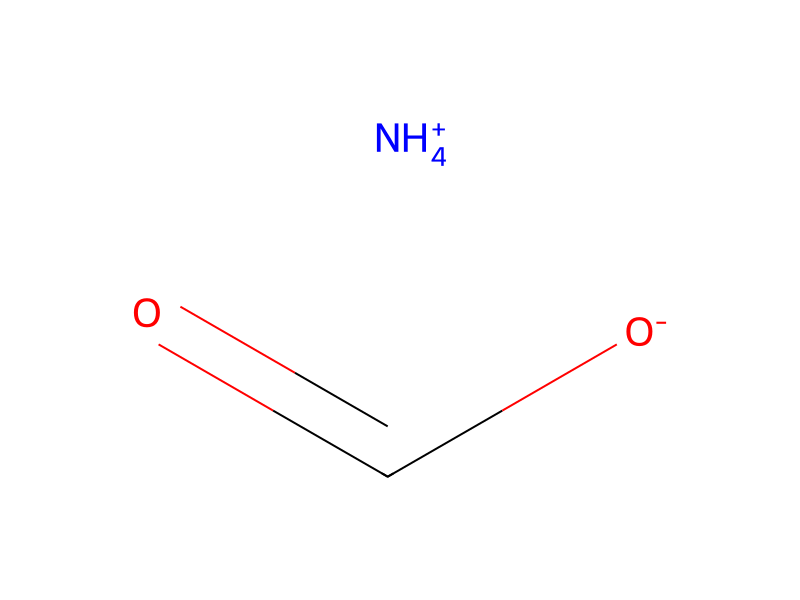
[N+:1]([C:4]1[CH:5]=[C:6]2[C:10](=[CH:11][CH:12]=1)[NH:9][C:8]([C:13]([O:15][CH2:16][CH3:17])=[O:14])=[CH:7]2)([O-])=O.C([O-])=O.[NH4+]>C(OCC)(=O)C.C(O)C.[Pd]>[NH2:1][C:4]1[CH:5]=[C:6]2[C:10](=[CH:11][CH:12]=1)[NH:9][C:8]([C:13]([O:15][CH2:16][CH3:17])=[O:14])=[CH:7]2Participants
6
Reactant 2

Product 1

Reagents, catalysts & solvents 3



Conditions
- Temperature
- 90 °C
Procedure
Under argon, 15 g (60.84 mmol) of ethyl 5-nitro-1H-indole-2-carboxylate are initially charged in 750 ml of ethyl acetate and 750 ml of ethanol. 15.82 g (15.82 mmol) of ammonium formate and 1.50 g of palladium on activated carbon (10%) are added. The mixture is stirred at 90° C. for 30 minutes and then cooled and filtered off through Celite, which is washed with ethyl acetate. The solvent is removed under reduced pressure and the residue is dissolved in chloroform and washed twice with water. The organic phase is dried with sodium sulphate, filtered and concentrated under reduced pressure using a rotary evaporator.
Workup
- temperaturecooled
- filtrationfiltered off through Celite, which
- washis washed with ethyl acetate
- customThe solvent is removed under reduced pressure
- dissolutionthe residue is dissolved in chloroform
- washwashed twice with water
- dry with materialThe organic phase is dried with sodium sulphate
- filtrationfiltered
- concentrationconcentrated under reduced pressure
- customa rotary evaporator
Sources & evidence
- ORD record
- ord-1503efe3047642b696dfda3f7adb27e2
- Source dataset
- uspto-grants-2006_05
- Patent number
- US07045544B2
Reaction notes
Loading…