Dicyclohexylcarbodiimide → HCID 22136364, compound
Reaction equation

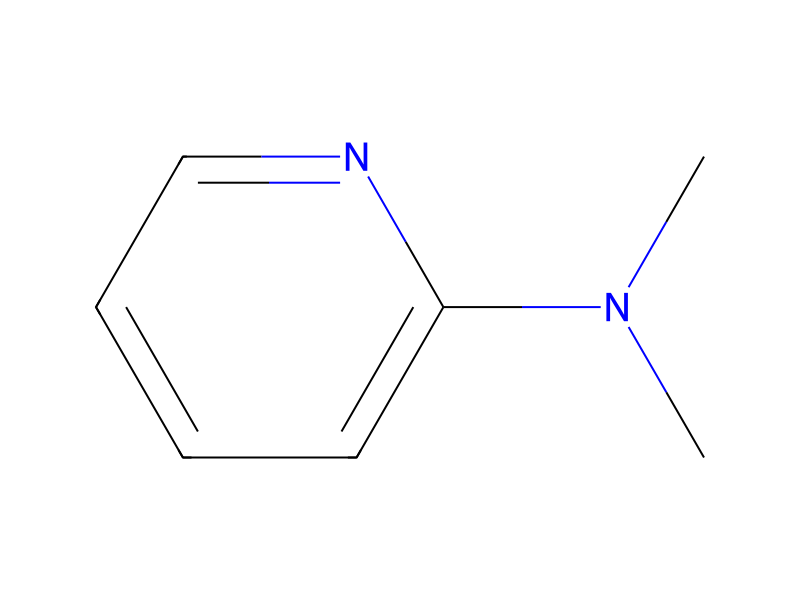
[C:1]12([OH:11])[CH2:10][CH:5]3[CH2:6][CH:7]([CH2:9][CH:3]([CH2:4]3)[CH2:2]1)[CH2:8]2.[N:12]1[C:21]2[C:16](=[CH:17][CH:18]=[CH:19][CH:20]=2)[CH:15]=[C:14]([C:22](O)=[O:23])[CH:13]=1.CN(C1C=CC=CN=1)C.C1(N=C=NC2CCCCC2)CCCCC1>ClCCl.CN(C)C=O>[N:12]1[C:21]2[C:16](=[CH:17][CH:18]=[CH:19][CH:20]=2)[CH:15]=[C:14]([C:22]([O:11][C:1]23[CH2:8][CH:7]4[CH2:6][CH:5]([CH2:4][CH:3]([CH2:9]4)[CH2:2]2)[CH2:10]3)=[O:23])[CH:13]=1Participants





Conditions
- Temperature
- 0 °C
Procedure
A mixture of 1-adamantanol (152 mg, 1.0 mmol), 3-quinolinecarboxylic acid (173 mg, 1.0 mmol), and dimethylaminopyridine (122 mg, 1.0 mmol) in dichloromethane (2 mL) and N,N-dimethylformamide (2 mL) was cooled to 0° C. 1,3-Dicyclohexylcarbodiimide (227 mg, 1.1 mmol) in dichloromethane (1 mL) was added in one portion. The reaction mixture was stirred at 25° C. for 20 h. The reaction mixture was then diluted with dichloromethane (40 mL) and washed with 1 M sodium hydroxide (3×30 mL). The organic layer was dried (anhydrous magnesium sulfate), filtered through Celite, and rotary evaporated. The resulting material was purified by spinning thin-layer chromatography (3% methanol in chloroform). The purest fraction was rotary evaporated, and the resulting material was recrystallized from ethanol. This provided 42 mg (14%) of (101):
Workup
- washwashed with 1 M sodium hydroxide (3×30 mL)
- dry with materialThe organic layer was dried (anhydrous magnesium sulfate)
- filtrationfiltered through Celite, and rotary evaporated
- customThe resulting material was purified
- customthe resulting material was recrystallized from ethanol
Sources & evidence
- ORD record
- ord-8f42a0d8a0574290952b9f576510f9e2
- Source dataset
- uspto-grants-2006_05
- Patent number
- US07053104B2
Reaction notes
Loading…