Urea → Urea
Reaction equation

[C:1]1([C:15]([OH:16])=[C:11]([N+:12]([O-:14])=[O:13])[CH:10]=[C:6]([N+:7]([O-:9])=[O:8])[CH:5]=1)[N+:2]([O-:4])=[O:3].[NH2:17]C(N)=O.C1C([N+]([O-])=O)=C(N)C([N+]([O-])=O)=CC=1[N+]([O-])=O.[NH:37]1C(=O)NC(=O)[NH:40][C:38]1=[O:39]>S1(CCCC1)(=O)=O>[C:11]1([C:15]([O-:16])=[C:1]([N+:2]([O-:4])=[O:3])[CH:5]=[C:6]([N+:7]([O-:9])=[O:8])[CH:10]=1)[N+:12]([O-:14])=[O:13].[NH4+:17].[NH2:37][C:38]([NH2:40])=[O:39]Participants
7
Reactant 4

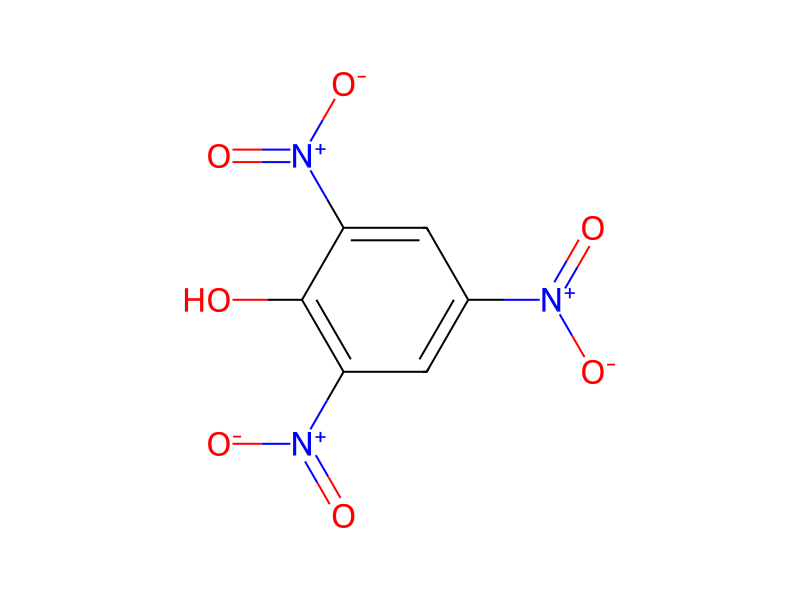
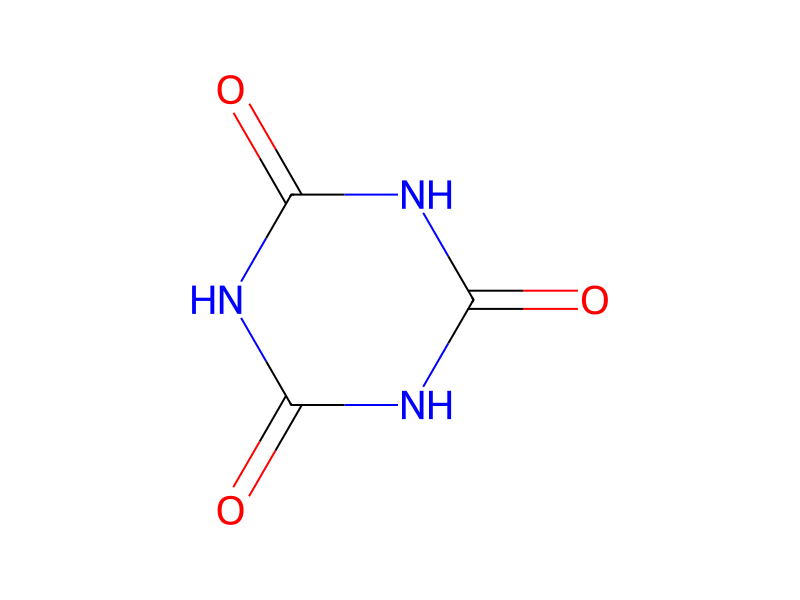

Product 2

Reagents, catalysts & solvents 1

Procedure
A slurry of picric acid (2.29 g, 0.01 mol ) and urea (1.80 g, 0.03 mol) in sulfolane (2 mL) is heated (167° C.) in a closed pressure vessel for 23 h. 13C-NMR analysis indicates quantitative conversion to picramide and cyanuric acid. Under the same conditions, ammonium picrate (2.46 g, 0.01 mol) and urea (1.80 g, 0.03 mol) in sulfolane (2 mL) gave a complete conversion to picramide and cyanuric acid.
Sources & evidence
- ORD record
- ord-1d9cd0d1c9b040d6b66492e3f19a463f
- Source dataset
- uspto-grants-2006_06
- Patent number
- US07057072B2
Reaction notes
Loading…