Trifluoroacetic acid → HCID 9855803, compound
Reaction equation

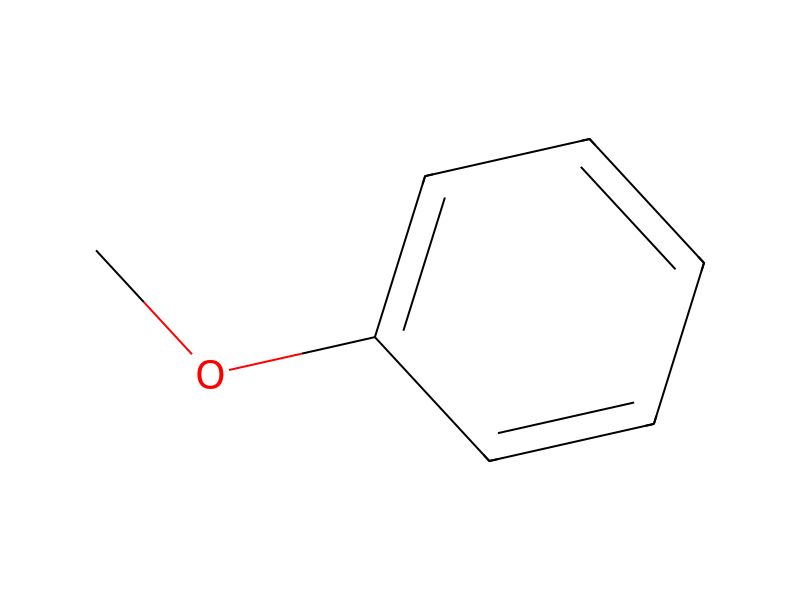
FC(F)(F)C(O)=O.C(O[C:13]([NH:15][CH:16]([CH2:18]/[CH:19]=[CH:20]/[C:21]1[CH:22]=[N:23][C:24]([NH2:28])=[C:25]([CH3:27])[CH:26]=1)[CH3:17])=O)(C)(C)C>C1(OC)C=CC=CC=1>[CH3:13][NH:15][CH:16]([CH2:18]/[CH:19]=[CH:20]/[C:21]1[CH:22]=[N:23][C:24]([NH2:28])=[C:25]([CH3:27])[CH:26]=1)[CH3:17]Participants
Reactant 2


Product 1

Reagents, catalysts & solvents 1
Procedure
Under a nitrogen atmosphere, trifluoroacetic acid (17.76 g, 155.76 mmol) was added dropwise, via addition funnel, over 30 min to a cold (0–5° C.), stirring solution of (4E)-N-(tert-butoxycarbonyl)-5-(6-amino-5-methyl-3-pyridyl)-4-penten-2-amine (1.11 g, 3.47 mmol) in anisole (15 mL). The resulting solution was stirred for 45 min at 0–5° C. and was then concentrated by rotary evaporation. The viscous, brown oil was further dried under high vacuum for 18 h. The crude product was cooled (0–5° C.), basified with 10% NaOH solution (10 mL), treated with saturated NaCl solution (10 mL), and extracted with CHCl3 (5×10 mL). The combined CHCl3 extracts were dried (Na2SO4), filtered, concentrated by rotary evaporation, followed by further drying under high vacuum yielding a dark-brown oil. The crude product was purified by column chromatography on silica gel (50 g), eluting with CHCl3—CH3OH-Et3N (4:1:1, v/v/v). Selected fractions containing the product (Rf 0.13) were combined and concentrated by rotary evaporation, and the residue was re-chromatographed on silica gel (50 g) eluting with CHCl3—CH3OH (7:3, v/v). Fractions containing the product (Rf 0.12) were combined and concentrated by rotary evaporation. The residue was dissolved in CHCl3, and the CHCl3 solution was dried (Na2SO4), filtered, concentrated by rotary evaporation, and vacuum dried affording a yellow oil (0.087 g) which tended to crystallize. The semi-crystalline material was dissolved in a warm solution of hexane containing a small amount of ethyl acetate. The warm solution was decanted from an insoluble gum. The solution was allowed to cool to ambient temperature and was further cooled at 5° C. for 18 h. The resulting crystalline solids were collected, washed with hexane, and vacuum dried at 40° C. for 16 h. The yield was 30.8 mg (4.3%) of a light-yellow powder, mp 78–81° C.
Workup
- concentrationwas then concentrated by rotary evaporation
- customThe viscous, brown oil was further dried under high vacuum for 18 h
- temperatureThe crude product was cooled (0–5° C.)
- additiontreated with saturated NaCl solution (10 mL)
- extractionextracted with CHCl3 (5×10 mL)
- dry with materialThe combined CHCl3 extracts were dried (Na2SO4)
- filtrationfiltered
- concentrationconcentrated by rotary evaporation
- customby further drying under high vacuum
- customyielding a dark-brown oil
- customThe crude product was purified by column chromatography on silica gel (50 g)
- washeluting with CHCl3—CH3OH-Et3N (4:1:1, v/v/v)
- additionSelected fractions containing the product (Rf 0.13)
- concentrationconcentrated by rotary evaporation
- customthe residue was re-chromatographed on silica gel (50 g)
- washeluting with CHCl3—CH3OH (7:3
- additionFractions containing the product (Rf 0.12)
- concentrationconcentrated by rotary evaporation
- dissolutionThe residue was dissolved in CHCl3
- dry with materialthe CHCl3 solution was dried (Na2SO4)
- filtrationfiltered
- concentrationconcentrated by rotary evaporation, and vacuum
- customdried
Sources & evidence
- ORD record
- ord-4b646a445af84dfc9528facd3eb343da
- Source dataset
- uspto-grants-2006_06
- Patent number
- US07060826B2
Reaction notes
Loading…