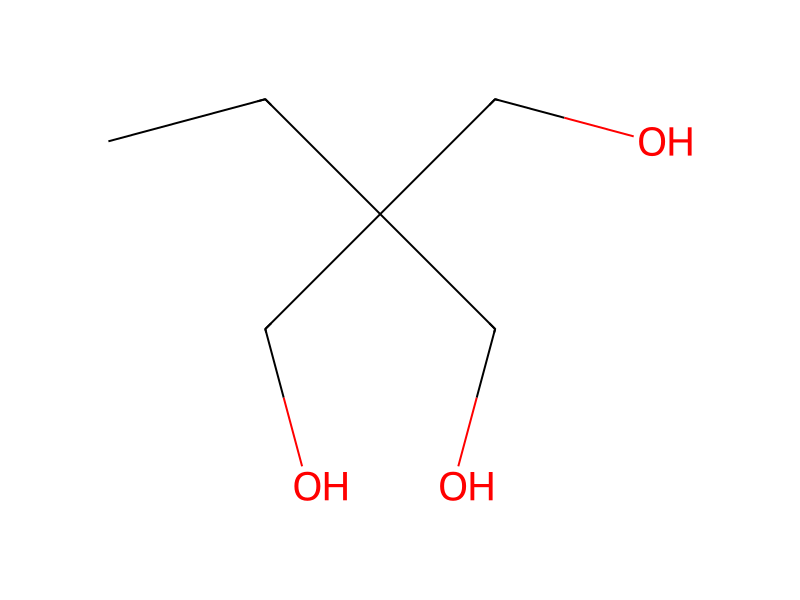
Trimethylolpropane → HCID 69853710, compound
Reaction equation

C[C@@:2]12[CH:10]([C:11]([C:13]([O-:15])=[O:14])=C)[CH2:9][C@H:5]([C:6]1([CH3:8])[CH3:7])[CH2:4][CH2:3]2.C([C:20]1[CH:25]=[C:24](C)[CH:23]=[C:22](C(C)(C)C)[C:21]=1[OH:31])(C)(C)C.C1C2NC3C(=CC=CC=3)SC=2C=CC=1.C(C(CO)(CO)CC)[OH:47].[N-]=C=O.C(OCCO)(=O)C=C.CCCCO[C@H](CO)CC.C(OCCOC1C=CC=CC=1)(=O)C=C>>[O:31]1[CH:10]=[C:11]1[C:13]([OH:15])=[O:14].[OH:31][C:21]1[CH:22]=[CH:23][C:24]([C:6]([C:2]2[CH:3]=[CH:4][C:5]([OH:47])=[CH:9][CH:10]=2)([CH3:7])[CH3:8])=[CH:25][CH:20]=1Participants




Conditions
- Temperature
- 80 °C
Procedure
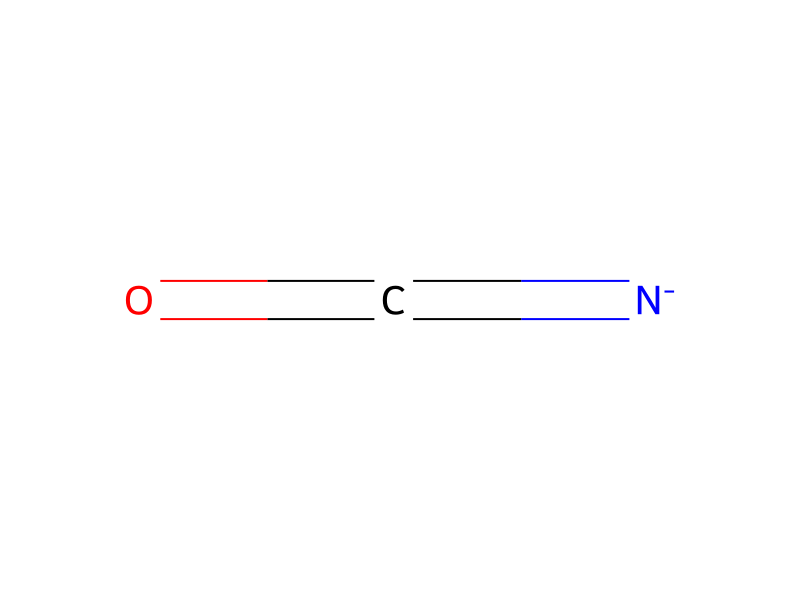
Into a two-liter, four-necked reaction kettle equipped with a thermometer, a mechanical stirrer, and a condenser were charged 37.0 parts of meta-tetramethylenexylyl diisocyanate, 63.7 parts of isobornyl acrylate, 0.3 parts of dibutyltindilaurate, 0.8 parts of 2,6-di-t-butyl-4-methylphenol, 0.2 parts of phenothiazine and 1.9 parts of trimethylol propane. The mixture was heated to 80° C. and held at that temperature for one hour. A sample was taken for isocyanate (“NCO”) equivalent weight measurement to confirm the completeness of the reaction. Thereafter, the mixture was cooled down to 35° C. and 6.3 parts of hydroxyethyl acrylate were added dropwise to the reactor. Cooling was applied to the reactor during the addition as necessary to maintain the reaction temperature below 40° C. The mixture was then held at 38° C. for two hours. A sample was taken for NCO equivalent weight measurement to confirm the completeness of the reaction. Thereafter, a blend of 204.7 parts of polytetramethylene glycol with a number average molecular weight of 2000 (PolyTHF2000, BASF Corporation), 161.3 parts of CN-104 (SARTOMER), 341.1 parts of phenoxyethyl acrylate, 185.0 parts of isopherone diisocyanate, and 0.3 parts of dibutyltindilaurate was added to the reactor. The mixture was heated up to 80° C. slowly and held at that temperature for two hours. A sample was then taken for isocyanate (“NCO”) equivalent weight measurement to confirm the completeness of the reaction. Thereafter, 116.0 parts of hydroxyethyl acrylate and 0.3 parts of dibutyltindilaurate were added dropwise to the reactor. Cooling was applied to the reactor during the addition as necessary to maintain the reaction temperature at 80° C. The mixture was then held at 80° C. until it was significantly free of isocyanate functionality as revealed by NCO equivalent weight measurements.
Workup
- customInto a two-liter, four-necked reaction kettle equipped with a thermometer, a mechanical stirrer, and a condenser
- customthe completeness of the reaction
- temperatureThereafter, the mixture was cooled down to 35° C.
- temperatureCooling
- additionwas applied to the reactor during the addition as necessary
- temperatureto maintain the reaction temperature below 40° C
- waitThe mixture was then held at 38° C. for two hours
- customthe completeness of the reaction
- temperatureThe mixture was heated up to 80° C. slowly
- waitheld at that temperature for two hours
- customthe completeness of the reaction
- temperatureCooling
- additionwas applied to the reactor during the addition as necessary
- temperatureto maintain the reaction temperature at 80° C
- customwas then held at 80° C. until it
Sources & evidence
- ORD record
- ord-1fcdaac99a6a4ed2b3b72556777624a0
- Source dataset
- uspto-grants-2006_06
- Patent number
- US07064154B2
Reaction notes
Loading…