Methyl phenylcarbamate → Methyl cyclohexylcarbamate
Reaction equation

[C:1](=[O:11])([O:9][CH3:10])[NH:2][C:3]1[CH:8]=[CH:7][CH:6]=[CH:5][CH:4]=1>[Rh].CC(O)C>[CH:3]1([NH:2][C:1](=[O:11])[O:9][CH3:10])[CH2:8][CH2:7][CH2:6][CH2:5][CH2:4]1Participants


Reagents, catalysts & solvents 2

Procedure
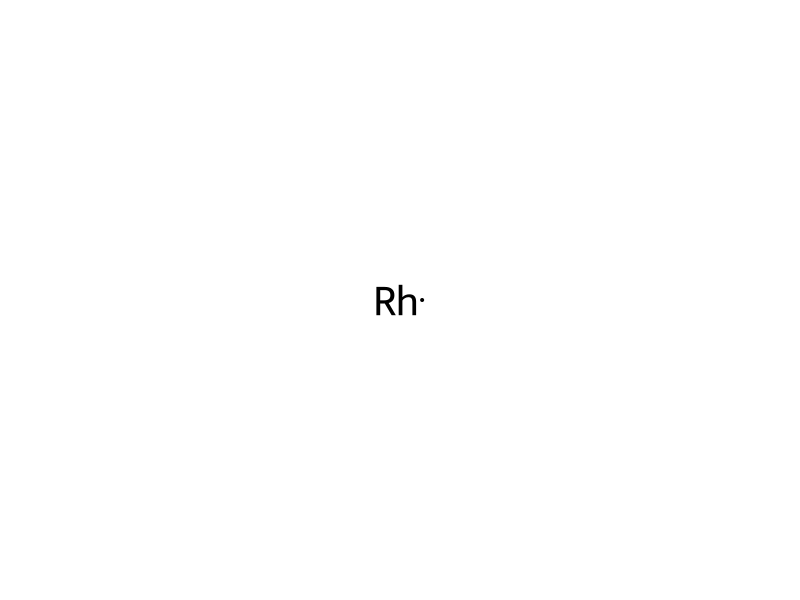
A mixture of 15.1 g. (0.10 mole) of methyl carbanilate, 105 ml. of 2-propanol, and 0.60 g. of 5% Rh on carbon was added to a 300-ml. Magne Drive (tradmark) autoclave. The vessel was sealed, purged first with nitrogen and then with hydrogen, and pressured with hydrogen to 600 psig. The autoclave was heated with agitation at 500-800 psig for 0.3 hr. at 25°-75°, followed by an additional 0.8 hr. at 75° with little or no gas absorption. The autoclave was cooled and depressurized. The reaction product was removed and filtered through Celite (trademark) filter aid to remove the catalyst. The solvent was removed in a rotary evaporator under vacuum. The white solid residue was dried in a vacuum dessicator and consisted of 15.1 g. (96% yield) of methyl cyclohexylcarbamate, m.p. 73°-74°. An authentic sample prepared from cyclohexyl isocyanate and methanol melted at 73.5°-74°.
Workup
- additionA mixture of 15.1 g
- customThe vessel was sealed
- custompurged first with nitrogen
- temperatureThe autoclave was heated with agitation at 500-800 psig for 0.3 hr
- customat 75° with little or no gas absorption
- temperatureThe autoclave was cooled
- customThe reaction product was removed
- filtrationfiltered through Celite (trademark)
- filtrationfilter aid
- customto remove the catalyst
- customThe solvent was removed in a rotary evaporator under vacuum
- customThe white solid residue was dried in a vacuum dessicator
Sources & evidence
- ORD record
- ord-cbcb39f6cc99441aaefa95c77ed3eab3
- Source dataset
- uspto-grants-1978_01
- Patent number
- US04069240
Reaction notes
Loading…