Hydrochloric Acid → Ethyl 3,4-diethyl-5-methyl-1H-pyrrole-2-carboxylate
Reaction equation

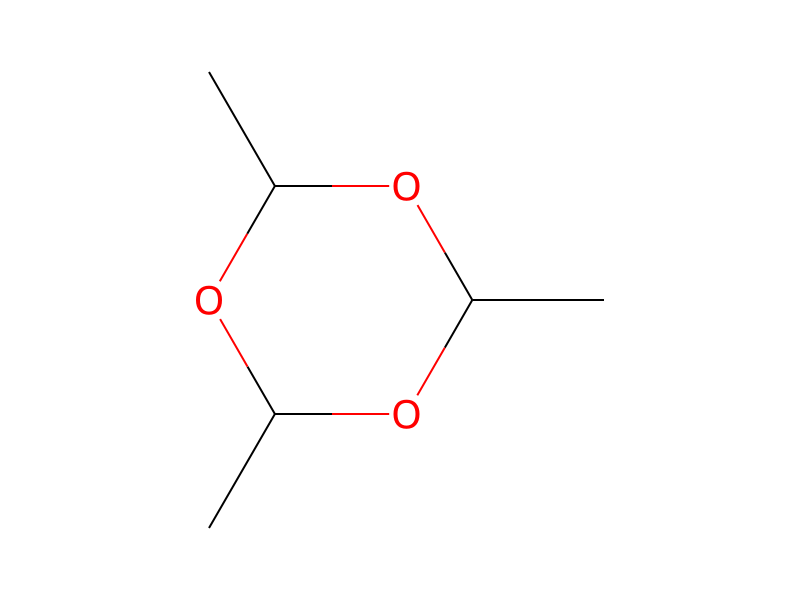
Cl.[CH3:2][C:3]1[NH:4][C:5]([C:10]([O:12][CH2:13][CH3:14])=[O:11])=[C:6]([CH2:8][CH3:9])[CH:7]=1.[CH3:15][CH:16]1OC(C)OC(C)O1>C(OC(=O)C)(=O)C>[CH3:2][C:3]1[NH:4][C:5]([C:10]([O:12][CH2:13][CH3:14])=[O:11])=[C:6]([CH2:8][CH3:9])[C:7]=1[CH2:15][CH3:16]Participants
5




Procedure
Acetic anhydride (20 ml) was stirred into 5 ml of concentrated hydrochloric acid with cooling. 2-Methyl-4-ethyl-5-carbethoxypyrrole (0.004 mol), paraldehyde (0.008 mol), and zinc amalgam (20 mesh, 10 g) were added at 25° C. and the mixture was stirred 1/2 h. The solution was decanted into 200 ml of water, this was made alkaline with ammonia and the crude product was filtered off. It was purified by sublimation, m.p. 76°-77° C. (lit. 75° C.). Yield 20%.
Workup
- temperaturewith cooling
- customThe solution was decanted into 200 ml of water
- filtrationthe crude product was filtered off
- customIt was purified by sublimation, m.p. 76°-77° C. (lit. 75° C.)
Sources & evidence
- ORD record
- ord-ebac3687bd8044f68f8e5ec0708fd74a
- Source dataset
- uspto-grants-1978_01
- Patent number
- US04070366
Reaction notes
Loading…