Iodine → 5-Bromo-2-chloro-4-iodopyridine
Reaction equation

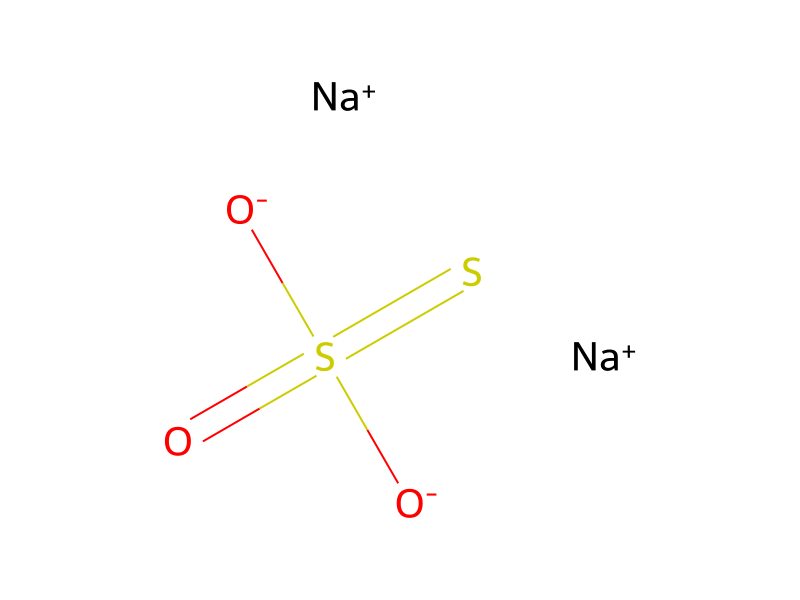
C(NC(C)C)(C)C.C([Li])CCC.[Br:13][C:14]1[CH:15]=[CH:16][C:17]([Cl:20])=[N:18][CH:19]=1.[I:21]I.S([O-])([O-])(=O)=S.[Na+].[Na+]>O1CCCC1>[Br:13][C:14]1[C:15]([I:21])=[CH:16][C:17]([Cl:20])=[N:18][CH:19]=1Participants






Conditions
- Temperature
- -78 °C
Procedure
To a solution of 12 ml (83 mmol) diisopropylamine in 80 ml dry tetrahydrofuran 52 ml of a solution of n-butyllithium in hexanes (1.6 M, 83 mmol) was added at −78° C. over a period of 15 min under argon. The mixture was stirred at −78° C. for 10 min. A solution of 15.2 g (79.0 mmol) 5-bromo-2-chloro-pyridine in 160 ml dry tetrahydrofuran was added at a rate such that the internal temperature did not exceed −70° C. After completed addition the reaction mixture was stirred at −78° C. for 5 h. A solution of 24 g (95 mmol) iodine in 160 ml dry tetrahydrofuran was added at a rate such that the internal temperature did not exceed −70° C. The reaction mixture was stirred for another 30 min at −78° C. The reaction mixture was allowed to warm to −10° C. and treated with 120 ml of an aqueous solution of sodium thiosulfate (1 M, 120 mmol). The layers were separated and the aqueous layer was extracted with two portions of ethyl acetate. The combined organic layers were washed twice with saturated ammonium hydroxide solution, dried with sodium sulfate and concentrated. The residue was dissolved in hot heptane and allowed to stand over night. Filtration of the precipitate and drying in vacuo gave 19.3 g (77%) of the title compound as a light brown solid.
Workup
- customdid not exceed −70° C
- additionaddition the reaction mixture
- stirringwas stirred at −78° C. for 5 h
- customdid not exceed −70° C
- stirringThe reaction mixture was stirred for another 30 min at −78° C
- temperatureto warm to −10° C.
- customThe layers were separated
- extractionthe aqueous layer was extracted with two portions of ethyl acetate
- washThe combined organic layers were washed twice with saturated ammonium hydroxide solution
- dry with materialdried with sodium sulfate
- concentrationconcentrated
- dissolutionThe residue was dissolved in hot heptane
- waitto stand over night
- filtrationFiltration of the precipitate
- customdrying in vacuo
Sources & evidence
- ORD record
- ord-4679dbcfa651482e8f29f276b2dfef49
- Source dataset
- uspto-grants-2004_08
- Patent number
- US06770637B2
Reaction notes
Loading…